


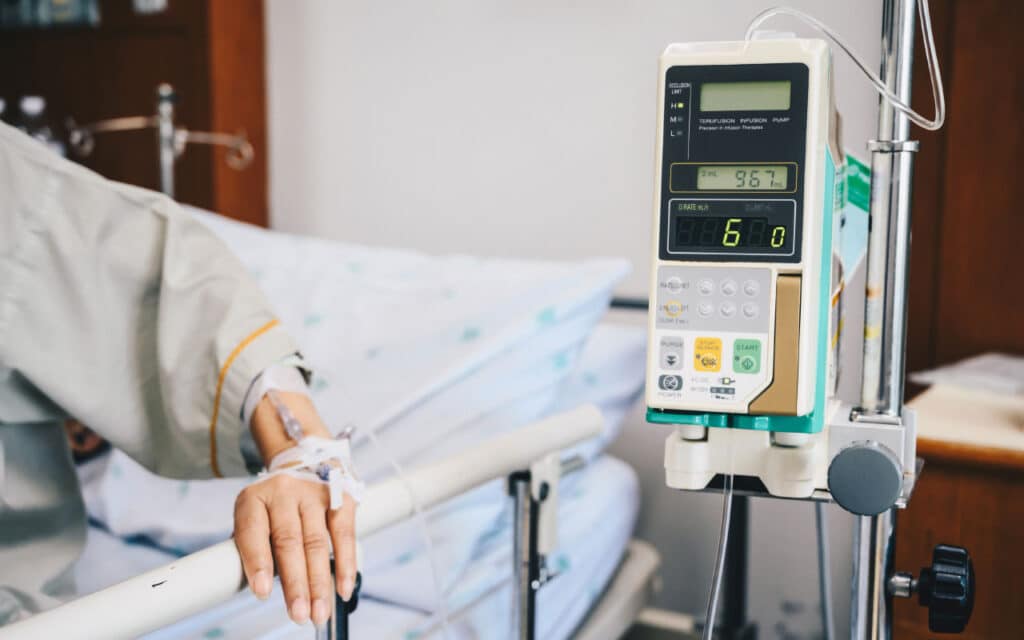
Infusion pumps are everywhere in health care facility. Infusion pumps and patient monitors might be the most common and abundant devices when it comes to health care delivery. Maintaining infusion pumps in good working order is a huge task for HTM departments everywhere. TechNation reached out to HTM experts for the tips and advice regarding infusion pumps in this month’s Roundtable article.
Participants in the article are:
- Soma Tech Intl Biomedical Engineer Schleshin Molly David
- MMS Regional Service Manager Jose Jimenez
- ECRI Senior Project Officer Mukui Mutunga
- USOC IV Pump Lead Technician Jeremy Sommer
- ECRI HII-Tech Consultant Dustin Telford

Q: What is most common issue biomeds encounter when it comes to infusion pumps?
David: The most common issue biomeds face with infusion pumps is occlusion alarms, which indicate a blockage in the flow of fluids and often require troubleshooting. Battery failures or charging problems are also frequent, especially in older or heavily used devices, leading to interruptions in operation. Additionally, calibration errors and software issues can result in inaccurate flow rates and dosages, necessitating maintenance or software updates.
Jimenez: Flow rate, low battery life, air-in-line (AIL) codes, and cosmetic damage. The bad battery problems are usually cause the AIL and flow rate.
Mutunga: Field serviceability: a. Some infusion pumps on the market are not easy to repair in-house. b. Parts are difficult to obtain from the manufacturer.
Sommer: Insufficient training of staff. With the constant advancement of IV technologies, device compatibility and operation can be confusing. While the user interface or design may only have minor changes, these changes can easily shake up the confidence of the most seasoned staff member. Training is key to avoiding this.
Telford: User errors and usability issues are common challenges, often causing unnecessary alarms or improper setups. While mechanical problems like occlusion alarms and battery failures are frequent, poorly designed interfaces can make these issues worse. Simplifying user workflows and keeping firmware up to date helps reduce both mechanical and user-driven problems.
Q: What tools or technologies are indispensable when it comes to infusion pumps?
David: Flow and pressure sensors are essential for monitoring fluid delivery and detecting occlusions or blockages in infusion pumps. Battery management systems are also crucial, as they ensure uninterrupted operation, making rechargeable batteries and efficient charging circuits vital for mobile or long-term use. Additionally, software and wireless connectivity play a key role in updating pump settings, tracking performance, and integrating with hospital systems for real-time monitoring and alerts.
Jimenez: There are a few main aspects to infusion pumps that need to be tested. These are flow rate and pressure of occlusion. The flow rate can be determined with a scale and the occlusion for the upper and low lines can be analyzed with a pressure meter.
Mutunga: 1) Wireless firmware and software updates/upgrades – reduce the need for physical interaction with each device to update.
2) Log extraction and interpretation – infusion pump logs that can be extracted through a wired connection and wirelessly, and that are easy to understand (without consulting the IFU for error codes), make the troubleshooting process faster and aid in accident investigations.
3) Built-in asset tracking – especially across hospital enterprises that consist of smaller hospitals transferring patients to larger hospitals in the network.
4) Unified software for multiple types of infusion pumps (e.g., syringe and large volume) – reduces the burden on biomeds to maintain multiple software licenses. Provides a centralized location for tracking all infusion pumps across a network.
Sommer: Quite possibly a cliché, but a calm and clear thought process. Taking a step back and analyzing an issue carefully and methodically almost always ensures a successful outcome. Besides that, access to the endless available amount of information on the Internet.
Telford: Precision tools such as feeler gauges, force and pressure gauges, and syringe jigs are crucial for maintaining infusion pumps. Air-in-line injection methods and diagnostic software help verify pump performance and ensure safety. Additionally, precision and torque drivers play a critical role in ensuring accurate repairs.
Q: How have advancements in technology changed the way you approach repairs?
David: Advancements in diagnostic tools and software have streamlined the process of identifying and troubleshooting issues, reducing repair times and improving accuracy. Remote monitoring and connectivity features also enable technicians to access device data and perform firmware updates without needing to be on-site, which boosts efficiency. Meanwhile, the introduction of more complex electronic components and automated systems has increased the demand for specialized training and expertise to handle sophisticated repairs.
Jimenez: Before the use of scales, the flow rate was determined with graduated cylinders. This was fine for the time being, but not entirely accurate due to the measurement being taken at the curve of the water in the cylinder. The change to the scale has given a much more accurate reading.
Sommer: Biomeds have now become junior IT personnel. With more and more IV pumps connecting to hospital networks and the Internet, troubleshooting has gone from simple mechanical to a full spectrum of wireless issues.
Telford: Modern infusion pumps now have diagnostic tools that allow biomeds to track usage patterns and flag issues before they become critical. This proactive approach helps prevent breakdowns by identifying problems early through built-in logs and usage data. These advancements allow for more effective preventive maintenance, minimizing downtime.
Q: What are best practices for maintaining infusion pumps to minimize the need for repairs?
David: Regular preventive maintenance, such as cleaning, calibration and battery checks, is crucial for ensuring proper functionality and identifying issues before they lead to failures. Routine software updates are also essential to keep infusion pumps running efficiently and to address potential bugs or performance concerns. Additionally, proper user training on the correct handling and operation of the pumps can minimize user-induced errors and help extend the equipment’s lifespan.
Jimenez: Staff training has always been a big concern amongst biomeds. Regular reminders to staff to keep it plugged in when in use, proper cleaning with recommended chemicals, and preventing abuse of the device such as forced closure of the door.
Mutunga: Adhere to the manufacturer’s recommendations for preventative maintenance and performance verification testing. Most infusion pumps require a 2-year PM cycle. Infusion pumps should not go longer than 2 years without undergoing PM.
Sommer: PM! PM! PM! Preventative maintenance is an absolute key to minimizing downtime and the need for significant repairs to be performed. I’ve pushed the idea of thinking of performing a PM like filling a cavity or getting a deep cleaning at the dentist. It’s not fun and it takes some time, but it’s sure a lot better than a root canal cost and time.
Telford: Optimizing preventive maintenance is essential, starting with using high-quality parts and following standardized procedures. Regular analysis of performance data allows for continuous improvement in maintenance practices. Sharing insights with the HTM community and OEMs helps foster iterative improvements across the field.
Q: How can a biomed stay updated on the latest equipment and repair techniques?
David: Attending industry conferences and training workshops enables biomeds to learn about the latest equipment and repair techniques directly from experts and manufacturers. Subscribing to medical technology publications, newsletters, and online forums offers regular updates on new advancements, troubleshooting tips and best practices. Additionally, participating in manufacturer certification programs ensures that biomeds receive hands-on training on the newest models and repair procedures.
Jimenez: The tried-and-true method that stands strong to this day is to read the service manual of the pump. The next best thing is to dive a little deeper into how electronics work and/or with an experienced technician. Most biomeds are willing to pass on knowledge to someone else.
Mutunga: Manufacturers generally do not allow the use of third-party or non-OEM parts to repair their devices. Therefore, the best way for biomeds to stay updated is to take any training course offered by the manufacturer. Consult the most up-to-date version of the IFU for the devices you are servicing. Keep in mind, these may not always be the versions that came with the devices.
Sommer: By reading fine publications like this one of course! Web forums can also be indispensable fountains of knowledge on the latest and greatest information pertaining to repairs, known issues, and fixes available.
Telford: Staying current requires a mix of manufacturer and equivalent training, along with engaging in biomed associations and online platforms. Resources like MedWrench, TechNation’s webinars, and YouTube channels such as The Better Biomed and HTM Workshop offer valuable learning opportunities. Many test equipment companies, OEMs, and ISOs also provide excellent online training.
Q: What else should TechNation readers know about infusion pumps?
David: Infusion pumps are vital devices in health care settings, requiring consistent maintenance to ensure reliable performance. When it comes to purchasing refurbished infusion pumps, it’s essential to choose a reputable and reliable vendor. Investing in equipment from a trusted source guarantees that health care providers receive dependable pumps that are safe for patient use. Here at Soma Tech Intl, we pride ourselves on our meticulous refurbishment process, ensuring each pump meets stringent quality standards.
Jimenez: Always read the manual. It covers everything from the approved chemicals that are recommended for cleaning the unit to the most minor of calibrations if needed. The approved chemical is a big issue. I understand facilities try to save money on supplies where they can, but the improper chemical can eat at the plastic on pumps which can turn it brittle and/or weak. This can cause issues with flow rate, free flow and occlusion pressure.
Sommer: Even with an ever-changing industry, most IV pumps stay fairly the same. Yes, user interface, compatibility and operation may vary a little from model to model and manufacturer to manufacturer but essentially, they all do the same thing to varying degrees. It may take some research but finding an IV pump that fits the needs of your facility, no matter how big or small, is not a difficult task in today’s industry.
Telford: Infusion pump maintenance is critical, with 60-80% of hospital or ER patients on pumps during stays longer than two hours. Both junior and senior biomeds are essential in ensuring these pumps operate safely and reliably. The work is more than routine – it’s vital for patient care and hospital operations.
