



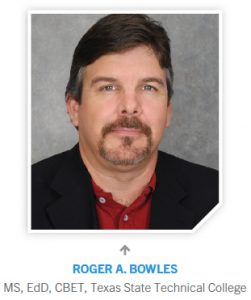
 AAMI’s Annual Conference in Austin, Texas was a great success, both in terms of total turnout, and in getting students excited about their chosen career. Over 40 students from the Biomedical Equipment Technology program at Texas State Technical College Waco attended and all reported a great time. AAMI made it easy for them to attend by offering registration at the conference and a full year’s membership for only $50. Sodexo sponsored a get together just for them and that turned out very well and generated much enthusiasm.
In the conference sessions and in the expo, students were pleasantly surprised that people actually sought them out and wanted to talk with them! Several found internships and jobs on the spot and all made valuable contacts for the future. I saw a new level of excitement in them.
For me, it was also a trip down memory lane, seeing dozens of graduates from years past – some from as long as 20 years ago – all of them doing well in their careers. Many of these former students are now employers recruiting our graduates. It was fun seeing former and current students talking to each other about opportunities.
One topic that was covered in several sessions, as well as several conversations in the expo hall, is the shortage of students entering the field and upcoming (some say already here) shortage of qualified BMETs due to the retirement of an aging BMET workforce. Schools are closing and many of the established programs are seeing lower numbers of incoming students and fewer graduates per year. Many people were asking what employers could do to increase the interest level in BMET educational programs.
This is strictly my opinion but the first thing that comes to mind is scholarships. AAMI is great about providing scholarships every year to promising students. Our students have won several AAMI scholarships over the past few years. But the number of employers offering scholarships needs to increase dramatically to increase interest. These scholarships do not need to be huge – perhaps $500 to $1,000 per year to a half dozen students in a given program per employer would be nice. If a program of 120 students had 50 scholarships per year to award, that would be a fantastic recruiting tool.
Maybe the employers could stop by and interview students and select scholarship recipients that way or give criteria and let faculty make the selection. Just judging by what I see in other programs on campus, employers’ presence on campus several times a year to do interviews is a major draw. Also, employers of students in other programs (such as instrumentation, robotics, electrical power, etc.) have vinyl banners up in the hall ways (like the ones you see at conferences), and brochures on bulletin boards announcing positions and interview times on campus.
Another thing that would increase interest would be newer equipment. This is a tough one and ISOs and hospitals are already donating some equipment, but it would be nice if manufacturers would get on board. In the end, a lack of people entering the industry will eventually affect their workforce also. State-of-the-art equipment goes a long way when prospective students and their parents (and even teachers with their students) are touring programs. Seeing equipment that still uses cathode ray tubes – well, even the parents can read the writing on the wall.
One of the biggest benefits of going to conferences is keeping conversations flowing and new ideas being discussed. After missing a couple of conferences in recent years due to budget cuts, we were happy to be a part of this one and hopefully more in the near future.
Also, being a motorcycle fanatic, the Republic of Texas motorcycle rally going on at the same time in Austin made it all the more interesting and entertaining for me. A barbeque dinner at Cooper’s and the get-togethers by TechNation, South Plains Biomedical Services, and AAMI topped it off.
