
HTM professionals share the hand tools, test equipment and digital resources shaping medical equipment service today — and the technologies changing the toolbox for the future.
By John Wallace, Editor
The tools healthcare technology management (HTM) professionals rely on are changing as quickly as the medical equipment they maintain. From traditional hand tools and test equipment to remote diagnostics, artificial intelligence and 3D printing, today’s HTM toolbox extends well beyond screwdrivers and electrical safety analyzers.
 Miles Crissey, CBET, AAS 3, IJM4644, serves as an intermediate biomed tech/clinical engineer at UCHealth-Anschutz Campus. Colleagues know him as the “Director of Tool Management” at UCHealth “because he has every tool needed,” according to co-worker Dave Scott.
Crissey is among HTM professionals TechNation asked to share insights on the top tools technicians rely on today and what they want in the future. The group represents HTM professionals at different stages of their careers, providing a 360-degree look at the modern biomed toolbox. Also participating are:
- Dallas Sutton Jr., a clinical engineering manager at WakeMed Health & Hospitals with more than 30 years of HTM experience.
- Allison Woolford, M.S., CBET, the clinical engineering operations manager with Duke Raleigh Hospital with 18 years of HTM experience.
- Jauslyn Stewart, a biomed tech 2 with Duke Raleigh Hospital with five years of HTM experience.
- Zachary Fowler, a BMET I with Norton Healthcare who started his HTM career earlier this year.
Essential Tools for Today’s Biomeds
“The three tools that I consider to be the most useful for a biomed or an HTM technician today are 1) ball-end metric and standard Allen wrenches; 2) Wera multi-bit screwdriver set; and 3) pocketknife/scissors/Leatherman,” Woolford said. “These are my three things because a lot of times, as a biomed, you are being called because something is moving that shouldn’t, something should move that isn’t, or a new device has been purchased that needs to be opened.”
 Sutton took a broader view when asked to identify the three tools he considers most useful for today’s HTM professionals. The first “tool” on his list is not one a biomed can hold, but a technology that can help technicians diagnose issues and prioritize service needs remotely.
“Remote diagnostics — particularly with imaging devices, remote diagnostics allows for more efficiency in prioritization and diagnosis of reported issues,” Sutton said. “Modality leads can provide support to fellow technicians as well as provide for user technical support to quickly resolve minor issues, returning the system to clinical availability without the need for an on-site response. This tool is also useful during on-call events, allowing technicians a higher level of discernment when making determinations about on-site response.”
Sutton’s next two selections are from PartsSource, including one his department helped develop.
“Uptime Monitoring — this is a PartsSource product that WakeMed was given the opportunity to assist in the development of as an Alpha Partner,” Sutton said. “This tool uses an API tied directly to our CMMS and allows us to centrally display the status of down and limited critical equipment that we choose to monitor. We have two of these displays, one specific to imaging and the other for critical biomed equipment. The display is interactive, allowing us to drill down on each Kanban Card to specific data about the service event (downtime, assigned technician, parts order status, etc.) as well as information tied to our Glassbeam telemetry data (temperatures, KV waveforms, error codes, etc.) which can aid in remote troubleshooting. All of the Uptime data can be viewed on my phone, allowing me to keep tabs on critical outages from anywhere, as well as have the ability to forward critical updates to clinical end users or executive leadership.”
Sutton also identified Punchout, another PartsSource product, as a valuable tool for streamlining parts ordering.
“Punchout ties the PartsSource parts catalog to my hospital’s EDI for very quick electronic ordering of parts. The order process, which is very Amazon-like, allows technicians to make a parts selection based on part quality (new, tested, third party, OEM, etc.), delivery timeframe, vendor quality rating, etc., and then to ‘Punchout’ without the need to go through a purchase order process or specific internal approvals,” he explained.
Test Equipment, Information & Relationships
While Sutton pointed to digital tools that support efficiency and equipment monitoring, Crissey’s selections combine test equipment, access to information and an often-overlooked HTM resource: relationships with clinical customers.
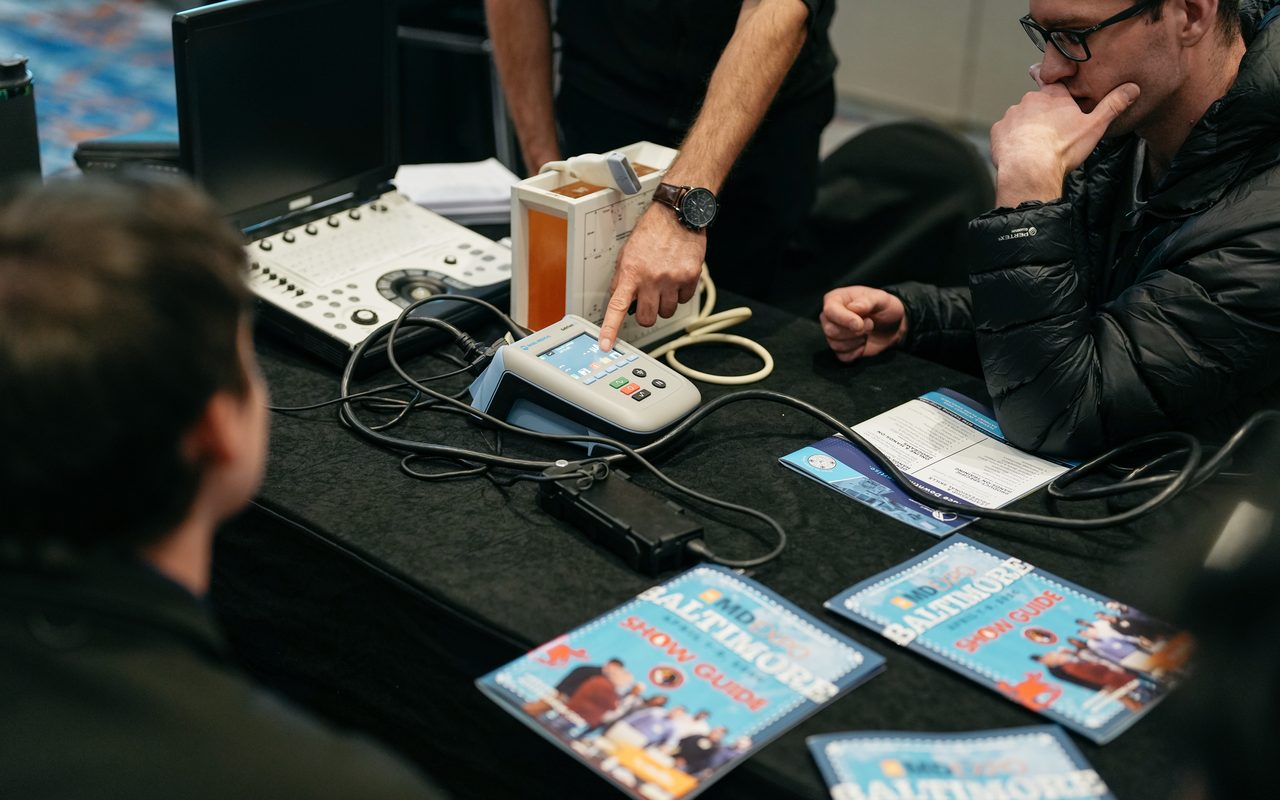
“I would say that three of the most useful tools I use would be a Pronk simulator kit, a laptop with access to the Internet and a good relationship with my customers,” Crissey said. “The Pronk simulator allows you to go to a patient room or device and pretty easily test a device’s function, accuracy and its accessories (cabling, etc.). Having access to the Internet will allow you to reference your CMMS, manual and vendor contact information. Lastly, having a good relationship with your customers will help you in several ways. Someone who is comfortable speaking with you is more willing to keep you updated when there is something upcoming like a project or new piece of equipment. They’re more likely to be understanding when a repair or service is delayed. They’re also helpful with locating equipment that you’re having difficulty with finding.”
 Stewart’s selections return the focus to the physical tools that biomeds carry into the field. Her top three are a Fluke 179, Sim-T SIM and precise toolkit.
 Fowler, the newest biomed among those interviewed, also included a computerized maintenance management system (CMMS) and laptop among his essential resources.
“Electrical safety analyzer — absolutely non-negotiable for ensuring patient and provider protection,” Fowler said. “Computerized maintenance management system (Accruent TMS) — more often than not, all of the necessary information for instrument repair can be found in the device history. Laptop — the world’s information plus CMMS access plus work order details provide the puzzle pieces and my job becomes simplified: put them together.”
How Technology Is Changing the HTM Toolbox
Advances in technology continue to reshape the healthcare technology management toolbox, changing how medical devices are tested, maintained, diagnosed and repaired.
“Newer technologies are certainly changing the HTM toolbox,” Woolford said. “As technology advances, the way biomeds approach and perform these repairs must advance as well. In the past, technicians often kept inventories of individual electronic components — such as resistors, capacitors, diodes and transistors — along with soldering equipment to perform component-level board repairs. Today, with multilayer PCBs, we are replacing the whole board and not just a component. Access to technical information has also evolved dramatically. We went from rooms filled with manuals and schematics to using smartphones to video chat with tech support or leverage AI-powered search engines for troubleshooting guidance. Virtual reality devices are further transforming the profession by providing immersive training opportunities for new and prospective biomeds, helping them develop repair skills more efficiently and effectively.”
Sutton said the HTM toolbox continues to expand as departments incorporate technologies that can improve troubleshooting and solve practical service challenges.
“In conjunction with remote diagnostics, we are using more AI tools to make troubleshooting knowledge base data more accessible, once again increasing our individual technician efficiency and effectiveness,” Sutton said. “We have also incorporated 3-D printing into our available resources. We have three in the shop that we use to print solutions to non-critical or low-risk problems such as cable management or mounting needs.”
Healthcare technology management continues to evolve as advances in medical devices, test equipment and digital technologies reshape how biomeds approach their work. The HTM professionals featured in this article offer a glimpse into the tools they rely on today and the technologies they expect to become increasingly important in the years ahead. Keep reading to discover tools and solutions companies offer to help HTM professionals keep pace with technological advances, increasingly sophisticated medical devices and the challenges they encounter every day.
Top HTM Tools From Industry Partners
Healthmark EndoPro-Cam®
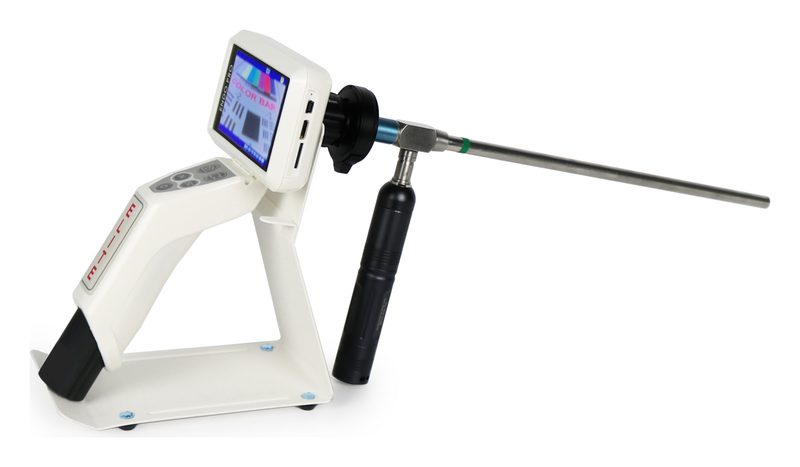 Designed for evaluating the condition of rigid endoscopes, the EndoPro-Cam® is a portable endoscopic video system providing 1080p high-resolution HD imaging that assists healthcare workers with inspection of their facilities’ rigid scopes to check if a device is damaged. The lightweight, ergonomic EndoPro-Cam allows for image capture and recording, and adapts to C-Mount couplers.
Learn more and request a demo at hmark.com.
HTM Jobs
HTM Jobs is a specialized career platform connecting healthcare technology management, biomedical and imaging professionals with leading healthcare organizations and industry employers. The platform provides job seekers with access to targeted career opportunities while offering employers advanced tools such as a specialized Talent Network, AI-powered candidate matching and automated job management. Built specifically for the HTM community, HTM Jobs creates a centralized space for professionals to explore new career opportunities and employers to connect with qualified talent.
Learn more at htmjobs.com.
BC Biomedical SA-2600 Electrical Safety Analyzer
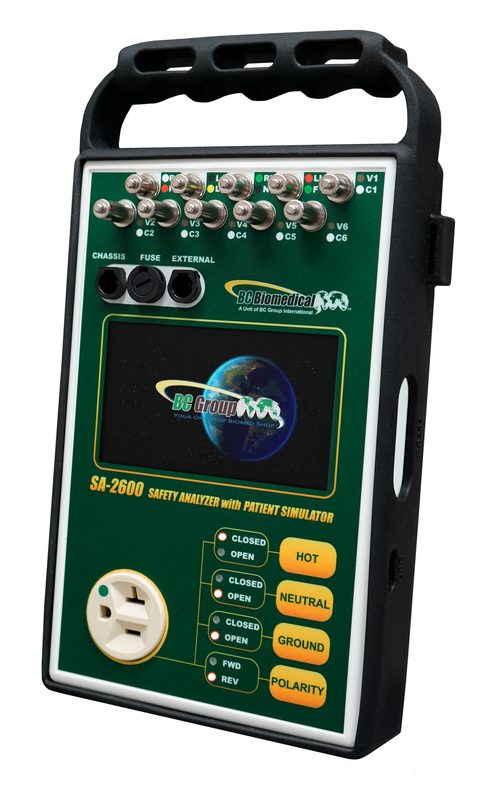 The BC Biomedical SA-2600 is a fully automated, microprocessor-based electrical safety analyzer built to streamline biomedical equipment testing. It integrates a complete safety analyzer, an internal ECG patient simulator and 10-input patient lead testing, so technicians can run many tests with one unit and one set of connections.
A 4.3-inch color touchscreen replaces physical knobs, while Bluetooth and Micro USB connect to the myBC Mobile App. Custom and fixed auto-sequences, including AAMI and NFPA-99, complete full protocols with minimal intervention. True RMS measurements cover ground resistance, leakage current and isolation testing. Made in the USA, the SA-2600 is an indispensable tool for HTM professionals.
Learn more at bcgroupstore.com.
Germitec Chronos® UV-C High-Level Disinfection
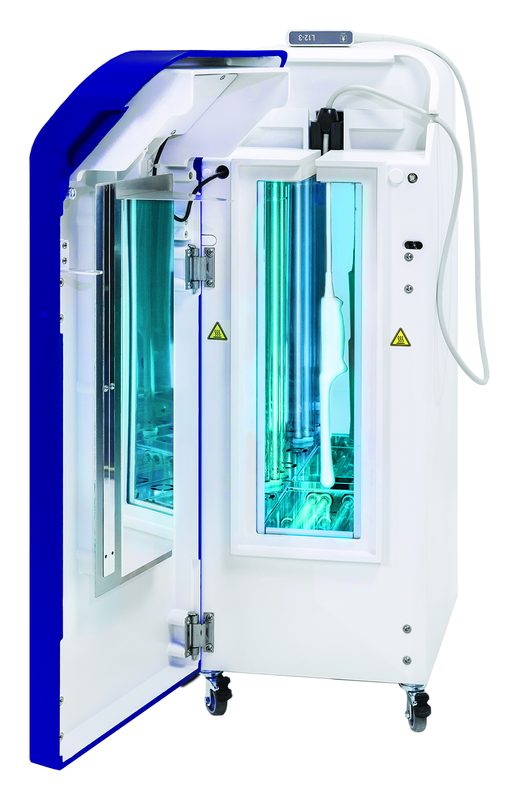 Powered by patented Yuvee™ technology, Chronos® is the first UV-C high-level disinfection (HLD) system to receive FDA De Novo granting in the U.S. It provides automated, chemical-free HLD for compatible lumen-free external, transvaginal and transrectal ultrasound probes. A reflective chamber eliminates shadowing, while three photodiodes control and independently verify each UV-C dose. Cycles take about 90 seconds(2) with no soaking, rinsing, drying or test strips.
Validated to AOAC and ASTM standards, Chronos® is effective against HPV-16, HPV-18, HIV, bacteria, fungi, mycobacteria and spores. Its solid-state design supports 99.8% uptime(1), backed by a five-year all-inclusive warranty. Included Germitrac software creates audit-ready records.
Learn more and download the brochure at germitec.com.
(1) Based on Germitec internal field data since 2019. (2) Internal data: Average cycle time is 90 seconds.
Fluke Biomedical DPM5 Digital Pressure Meter
Measure Smarter. Test Faster. Deliver Better.
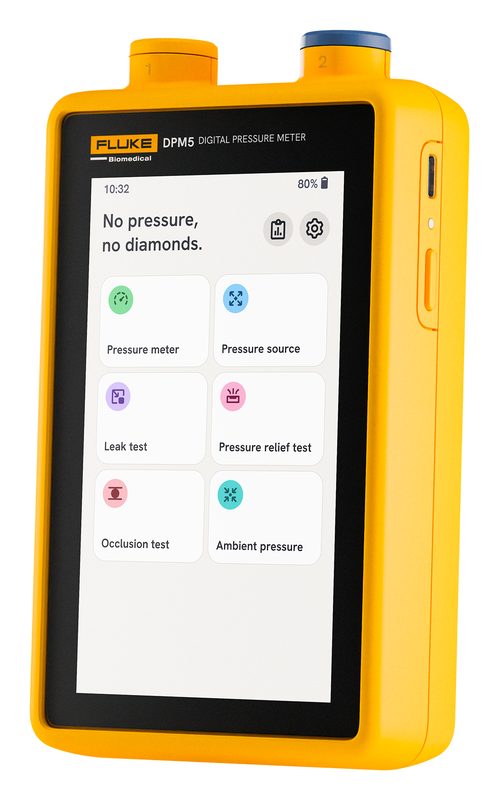 The DPM5 Digital Pressure Meter features an advanced internal pump that eliminates manual pressure generation, delivering consistent, repeatable results while minimizing human error. Its dual-port design measures dry gas and liquid pressures across wide ranges, making it ideal for testing blood pressure monitors, infusion pumps, dialysis machines and ventilators. Lightweight and battery-operated, it performs reliably in the lab or field. An intuitive touchscreen with preloaded apps for occlusion, leakage, valve and atmospheric pressure tests reduces training time and lets users set parameters, monitor real-time data and review results quickly. The DPM5 helps healthcare professionals test faster and with greater confidence.
Learn more at flukebiomedical.com/dpm5.
GE HealthCare ReadyFix™: Enabling Smarter Device Management
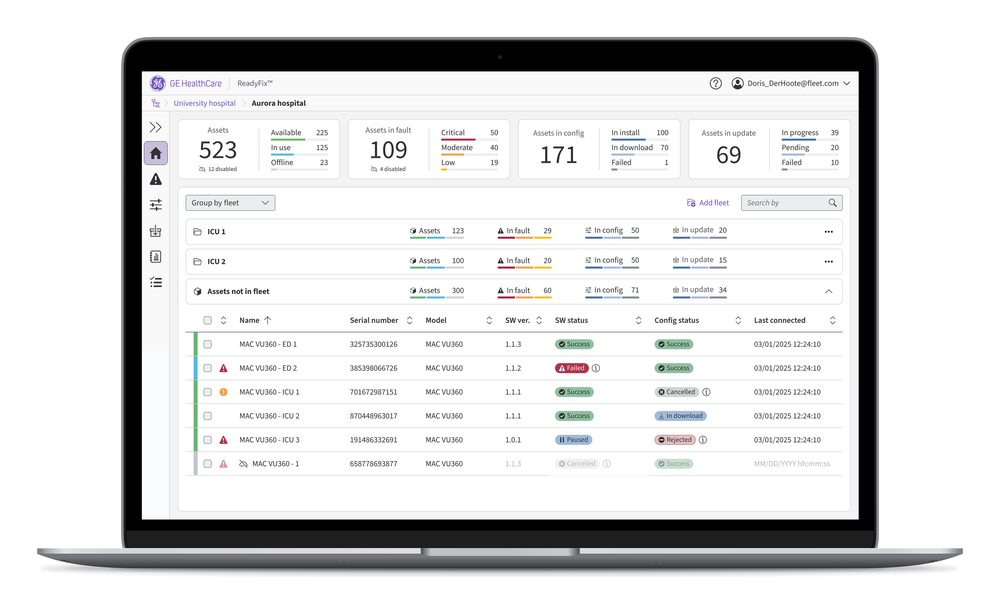
ReadyFix™ is GE HealthCare’s remote fleet management solution for MAC VU360™ resting ECG devices, helping HTM teams overcome limited visibility, manual troubleshooting and inconsistent configurations. Near real-time device information lets professionals proactively identify issues and monitor performance across locations. Organizations with MAC VU360 V3 software can start with View-Only access, viewing device status, faults, alerts and fleet-level insights from a centralized dashboard using existing MyGEHealthCare credentials. A full ReadyFix subscription adds remote configuration management, software deployment, log retrieval and advanced troubleshooting. Either way, ReadyFix helps healthcare organizations streamline operations and keep critical ECG devices optimized and ready for patient care.
Related: Industry experts weigh in on automation, CMMS integration and ROI in this month’s Roundtable: Biomedical Test Equipment.