



By Joie Marhefka
 It is no secret that qualified candidates are in demand to fill numerous jobs in healthcare technology management (HTM). Biomeds are in demand to fill positions vacated by retirements in the field as well as new positions created as health care systems expand. I receive calls and emails on almost a weekly basis from managers looking for graduates to fill openings. Unfortunately for these employers, our graduates typically accept employment within weeks of graduation. While this is great news for our graduates, as an educator, I see it as both a challenge and an opportunity – to recruit more students to our program and prepare more graduates for careers in HTM.
While working to recruit more students, I have found that one of the biggest challenges is lack of awareness that the field even exists. When most people think of health care careers, they think of doctors and nurses. Few people think about who maintains and repairs the equipment. Therefore, most high school students or those looking for a career change don’t consider HTM because they aren’t even aware it is an option. I know that I was guilty of this in my younger days.
Therefore, we need to do a better job of getting the word out about careers in HTM. Careers as biomeds offer competitive salaries, opportunities for advancement, and the satisfaction of a career in health care where one can make a difference – often without formal education beyond a two-year degree. How can we, as educators and the HTM community as a whole, get the word out about opportunities in the field to ensure qualified individuals are available to fill open positions?
My colleagues and I at Penn State New Kensington, as well a number of biomeds and managers in the greater Pittsburgh area, are trying a number of approaches to make people more aware of career opportunities in HTM. One thing that we’ve been doing is reaching out to local high schools – providing brochures highlighting our biomedical engineering technology (BET) program and offering to give presentations to their students. I have spoken to students at a number of schools, including several vo-tech schools, and often have been accompanied by biomeds or biomed managers who have been able to provide a different perspective to the students. I have found that hearing from someone actually working in HTM has made an impression on students. We have also attended several college and career fairs to share information about our program and the field. Also, Penn State New Kensington hosts an annual open house to highlight this major.
In addition, we are using our website and social media to spread the word about our BET program. We are working to create more videos to help share information, especially with the younger generation. Our students and alumni have also been instrumental in getting the word out by talking to friends and family about their classes and careers (which seems to be working well, as many current students found out about the biomed field from friends or family), and, in many cases sharing information with their high school teachers and guidance counselors. I have also found participation from hospitals and other companies in the field to be helpful in recruiting new students. Several of the hospitals that work with us have set up information booths during HTM week or during internal career fairs to share information about careers in the field. I also know of a number of biomeds who routinely talk with other hospital employees in less skilled positions, who are looking for a career change. The hope is that they will consider becoming a biomed. We are continuing to brainstorm about other ways to get the word out about HTM careers as well.
It is my belief and hope that all of these efforts to spread the word about HTM allow more people to consider this as a career path. Ideally, this will lead to more students enrolling in our BET program and other similar programs and ultimately more qualified candidates to fill the current and anticipated vacancies in the field. And hopefully others in the field will continue to spread the word as well.
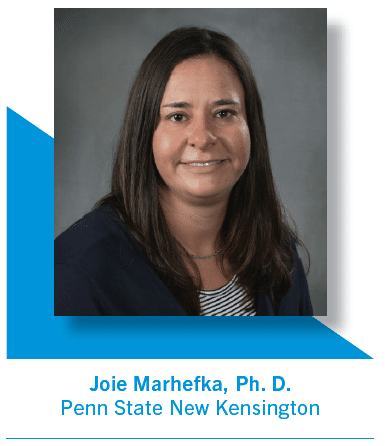
Joie Marhefka, Ph.D., is the biomedical engineering technology program coordinator at Penn State New Kensington.
