



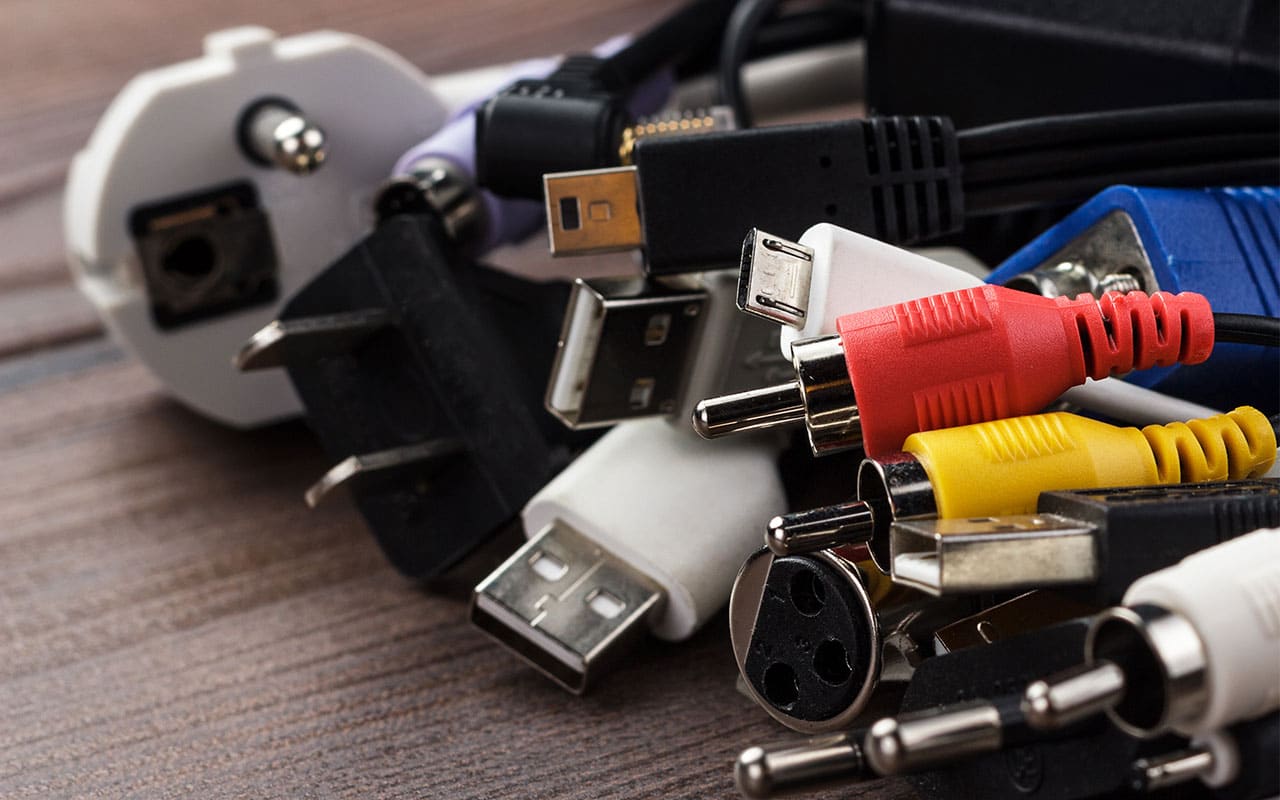
Only charge your medical devices with the charging accessories (for example, cables, chargers, and adaptors) provided by the manufacturer.
Hearing aids, glucose monitors, and insulin pumps are just a few examples of medical devices that use different accessories to charge their batteries. The FDA is offering the following tips to help reduce the risks of your device overheating, overheating related injuries, and fires.
Tips to Help Charge Medical Devices Safely
- Read, understand, and follow the manufacturer’s directions for the use and care of your device.
- If you do not have the instructions or if you have questions about them, contact the manufacturer.
- Charge your medical device with the charging accessories provided by the manufacturer (for example, cables, chargers, and adaptors).
- Do not use third-party charging accessories, including accessories made by a different manufacturer or meant for a different device, such as your phone or tablet.
- Accessories provided by the manufacturer limit the power provided to safely charge the battery, but third-party accessories may allow much higher power, increasing the risk of overheating, spark, or fire, which may lead to minor injuries or serious burns.
- Inspect your medical device and charging accessories for signs of damage, including melting and warping where the charger plugs into the device.
- If you see signs of damage, stop charging the device and contact the manufacturer for replacement parts.
- Charge your medical device where you can clearly see it and away from anything that can easily catch fire.
- Do not charge your device on or near a soft surface like a couch, pillow, curtains, or other materials, where it can overheat more easily.
- Ensure all charging accessories are completely dry before connecting them to your medical device or to a power outlet.
- Avoid spilling water or other liquids on connectivity ports (such as USB ports) on your devices and on all accessories.
- Inspect the cable and charger for the presence of water, or other liquids, before connecting.
- Charge your device during the day when you are awake.
- Do not charge your medical device overnight when you might miss early signs of the device overheating.
- Unplug the charger as soon as your device is fully charged.
- Do not leave your medical device plugged into the charger after it is fully charged.
- Protect your medical device from extreme temperatures.
- Do not leave it in direct sunlight, or in your car on an especially hot or cold day.
These safety tips highlight or supplement information already in the manufacturers’ instructions for using these medical devices.
Report a Problem with Your Medical Device to the FDA
Report any problems with your medical devices overheating to MedWatch: The FDA Safety Information and Adverse Event Reporting Program.
