



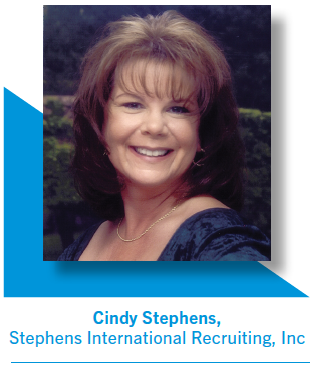
By Cindy Stephens
 Your resume made it through the screening process and you have been scheduled for an interview. Your resume outlined your background, experience and skills, but it is the interview that gets you the job. You should spend time preparing for the interview.
Go above and beyond to research the company, read the company’s website and social media sites so you understand what they do and what products and services they offer. Read recent news articles about the company and the industry so you are informed and up-to-date.
Review the job description and the qualification requirements ahead of the interview to help you connect your experiences and skills with the company’s needs. Be prepared to highlight how you are suited for the position based on your experiences, talents, strengths and abilities.
Prepare a list of references with specific contact information and bring additional copies of your resume with you. Neatly and completely fill out any application forms and do not say, “see resume.” Bring appropriate forms of ID to complete the I-9 Employment Verification form. Turn off your cellphone or put it on mute (and DO NOT answer or text during the interview period).
Be sure to arrive at least 10-15 minutes early. Know where you are going and how long it will take you to make the trip at the specific time of the day required. Don’t chance it!
The first impression is made within the first few seconds of meeting you, so it is extremely important to ensure the first impression is a positive and lasting one. Remember your appearance, your tone of voice, body language and personal conduct all contribute to the impression that you make – whether positive or negative. Professional attire and attention to detail still count so dress for success. If you’re uncertain about what to wear for the interview, dress more formally rather than too casually. Be sure you are well-rested.
If it is a telephone or video conference interview, it is very important to find a quiet room and do not allow interruptions. Remain 100 percent focused on the caller and interview. If you are asked to do a Skype or video interview, be sure to practice the setup and the call with a family member or friend ahead of time.
You want to stand out from the competition. The candidates who ace the interview show they are capable, willing and eager to do the job, and need little supervision or motivation. They also demonstrate they have a good personality and work well with others.
Professional etiquette is very important for a successful interview and it will ensure you present a positive, confident and polished image.
Greet the interviewer and everyone involved with a smile and a firm handshake. Maintain eye contact, be a good listener and smile! Do not interrupt. Treat everyone with respect and provide your undivided attention. Maintain good posture and convey confidence, enthusiasm and professionalism. Be honest in your answers, and never be negative about a person or company.
Use good communication skills detailing your experiences and accomplishments. Focus on the discussion and the question that is being asked. Expand on your answers, using this time as an opportunity to tell the interviewer more about you and to demonstrate some of the qualities they are looking for (such as team player, leadership).
Express confidence and competency that you can do the job. The interviewers are trying to see how you can contribute to the company. Sell yourself, but do not brag.
Demonstrate your attitude with your smile and by remaining positive. Be sincere and passionate about your interests and experiences. Exhibit excitement about the position you are interviewing for. If you really want the job you are interviewing for, say so. If the company is your top choice, make it known. Candidates who seem sincerely interested in them impress potential employers. The key here is sincerity – they will know if you are putting on an act.
For technical questions, be direct and to the point. If you are unable to answer a question, be honest and explain how you would approach a problem situation.
When asking, “tell me a little about yourself” managers are looking for serious answers. Talk about your accomplishments and abilities. Do not talk about your childhood, family or hobbies (unless specifically asked). Your goal is to be clear and concise.
You should be prepared with your own questions that show your sincere interest in the company and the position. This also allows you to gather the right information to make an intelligent decision to determine if this is a good fit for you.
Do not bring up salary expectations during the interview – this is usually discussed during the second interview or offer stage. However, if you are asked, be accurate in stating your current salary and be very careful in stating your salary expectations. You may just miss a good opportunity by overstating your salary requirements. The typical salary to start is an incentive increase of 3 to 5 percent.
Before the interview ends, summarize your strengths and explain why you feel you are a good fit for this position. Determine when the employer expects to make a hiring decision or ask about the next step in the interview process. Get a business card from everyone you met so you have the proper titles and spelling of names for all the people with whom you met.
During the hiring process, follow-up communications and professional courtesies are extremely important. Employers will judge a candidate’s ability to communicate effectively during every phase of the interview process. Follow-up with your interviewers. Send a hand-written thank you note right away. This demonstrates your communication skills and level of interest in the job.
With the difficult job market and tough competition today, you need to stand out from the others and make a good impression. It is not enough to be technically savvy, smart and experienced to succeed in today’s workplace. If your technical skills are comparable to other candidates, then the use of common courtesies, professional etiquette and excellent communication skills give you the competitive edge to stand out.
