



By K. Richard Douglas
In January of 2016, TechNation highlighted the JPS Hospital clinical engineering team. As is the case with most biomed departments, a lot has changed in eight years. The pandemic was one big catalyst for change, but there were more common ones as well.
That was the case when the future mayor of Fort Worth, Texas, John Peter Smith deeded five acres of land in the downtown area in 1877. The hospital got its official name in 1954.
Today, JPS Health Network, in Fort Worth and the surrounding communities, includes a hospital on Main Street, a five-story Patient Care Pavilion, a facility providing psychiatric services and an outpatient care center. There is also an Oncology and Infusion Center, the Center for Pain Management and a number of clinics.
The Clinical Engineering Department at JPS Hospital has a different director than in 2016 and the team has grown by four members. Management is outsourced to Agiliti Health.
The team is made up of a staff of 29 members, including Director Mike Betancourt, a manager, a capital planning manager, a finance manager, biomed leads and an imaging lead, eight BMET IIs, seven BMET Is and four imaging engineers.
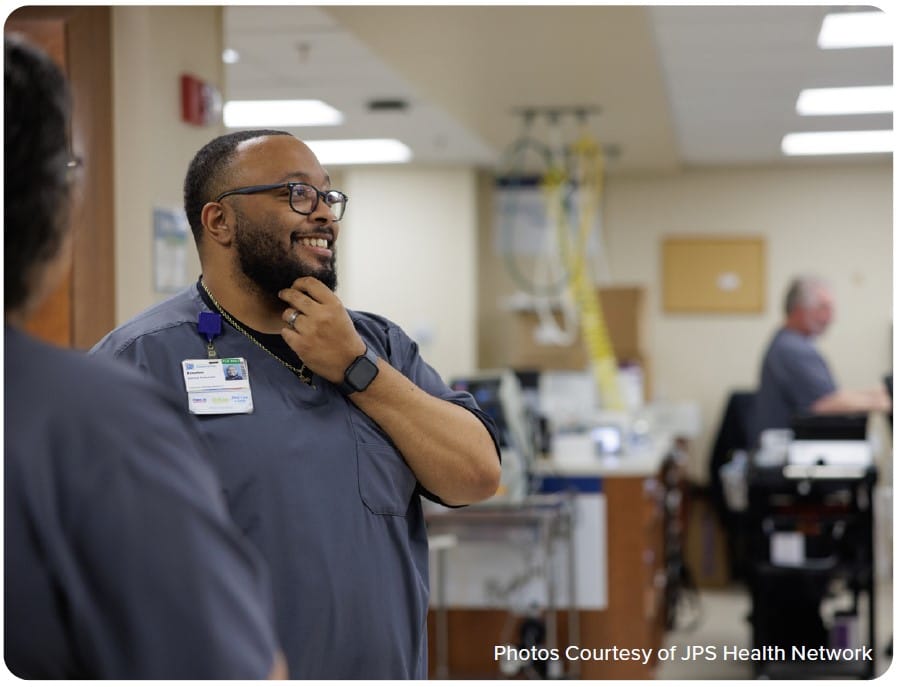
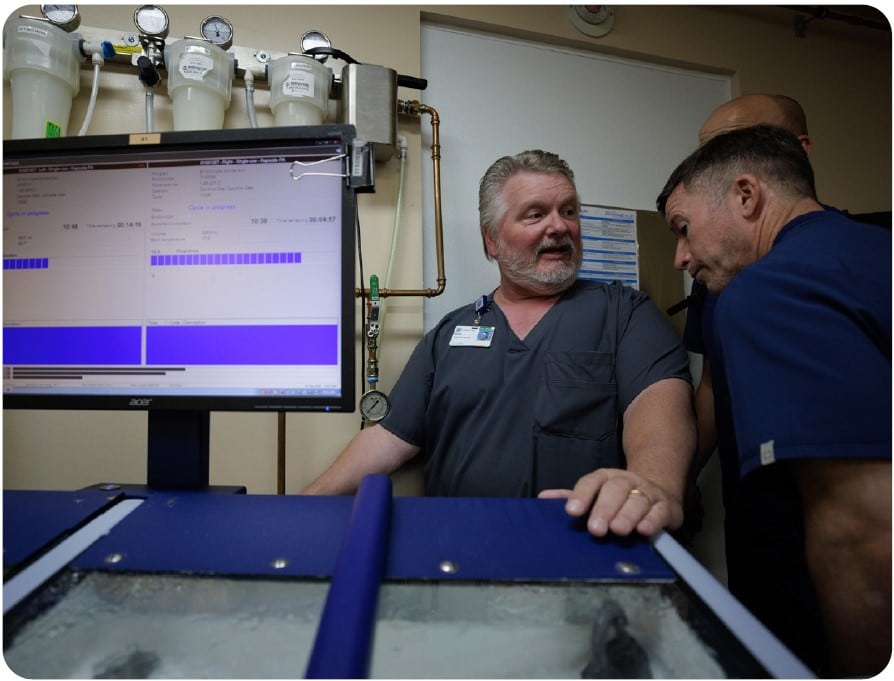
“We do have two technicians that are anesthesia trained and we do all anesthesia in house. We are also in the process of servicing all washers and sterilizers in house as well,” Betancourt says.
The CE team manages medical equipment for a level one trauma center supporting 550 beds, as well as a separate outpatient surgery center and supports 25-plus community clinics in the area.
“We work closely with IT in the capital acquisition process gathering the MDS2 forms from a security perspective for new purchases. We just participated in a cybersecurity audit and are in the process of developing a network segmentation for medical equipment,” Betancourt says.
Service contracts are managed by the director who uses that as the basis for a training plan.
“We look at expiration dates and determine if we can get training completed. Our goal is to perform as much in house work as we can so that response time to issues is minimal and less disruptive to patient care,” Betancourt says.
He says that the department CMMS system, Vityl, keeps track of inventory.
PM Strategy
In the problem-solving category, the CE team has organized its PM efforts into a methodical and organized system which will create new levels of efficiency.
“We just level loaded our PMs in the whole system to put devices and departments into monthly schedules. This allows us to shift resources a lot easier and we can plan for vacation coverage since work is now more centralized versus going into all the departments every month,” Betancourt says.
He says that they took a look at the PMs that were due and realized that they needed to rebalance the work load.
“We have added staff to the department, and this was the right time to take a holistic look at our monthly PM workload. I put together a PM balancing team and they would help short cycle departments to get them in the correct month for the new schedule. We would then report out on our monthly EOC meeting the results from our prior month’s work and what departments were coming due so they could prep for our visit,” Betancourt says.
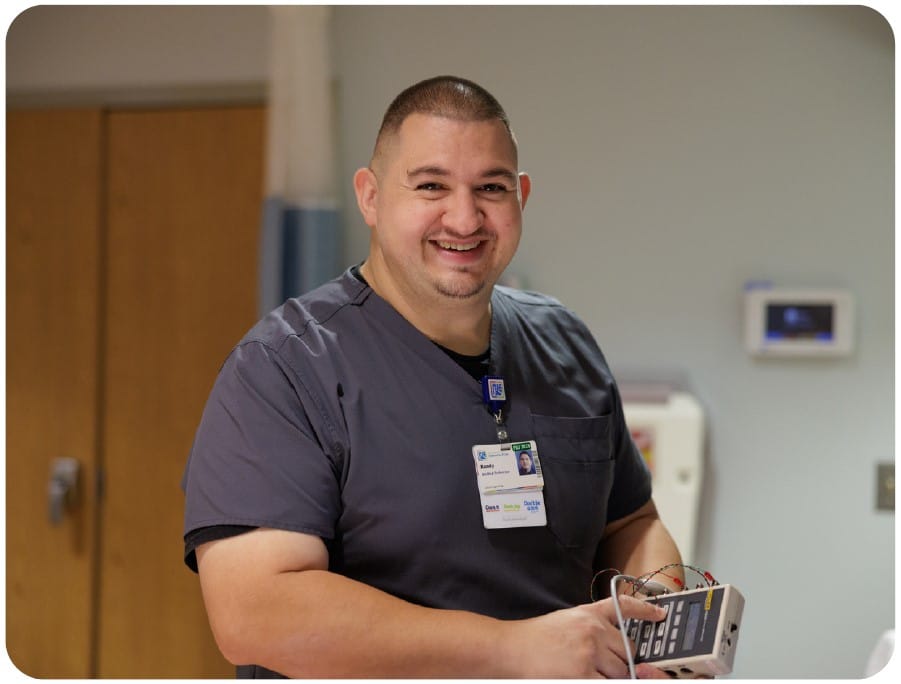
He says that some operations needed the biomeds to come in after hours so they did not interrupt patient care.
“Balancing our PMs allows us to also concentrate on getting corrective work orders turned around quicker. With us not having to go to every department each month, we turned our corrective work order turn-around time from 10 days to 7.1 days. Not resting on our laurels, we are shooting for 6.5 days in 2024,” Betancourt adds.
The team is involved in AAMI and three of its members have earned the BMET certification.
“I am looking to increase those numbers in the near future,” Betancourt says.
The JPS CE team is balancing its responsibilities to serve its clinical colleagues and the patients in Fort Worth.
