



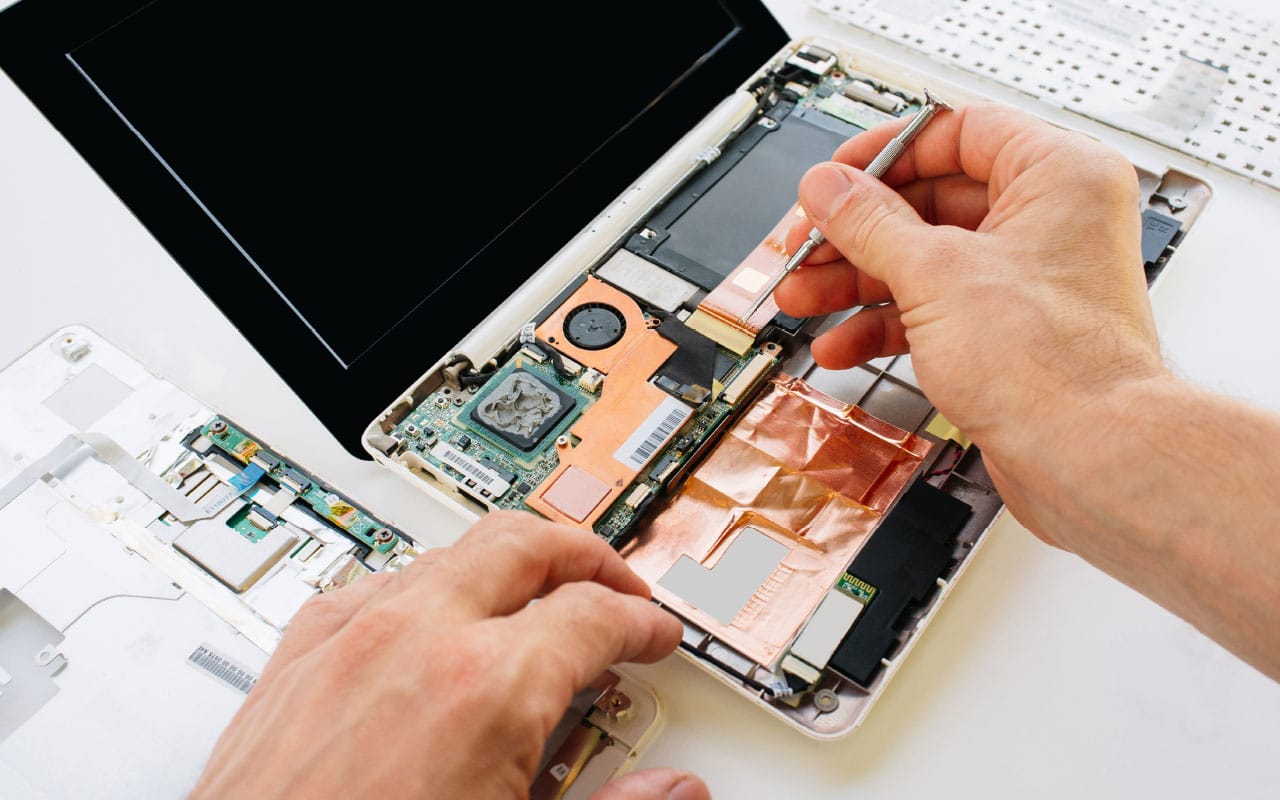
Impediments to keeping equipment working endangers hospital patients, especially in rural areas
BOSTON | Like so many other parts of our society, medical care increasingly involves more technology, which, in turn, often requires maintenance and repair. Just like farmers struggle to fix tractors and consumers struggle to fix home appliances, hospitals struggle to maintain modern medical devices. A new report by U.S. PIRG Education Fund, Hospital Repair Restrictions II, investigates a major contributing problem — repair restrictions — and its impact on the healthcare system. The new edition of the report builds off an earlier report from 2020, from the height of the COVID-19 pandemic.
“When you go to the hospital, you expect that doctors will have the working equipment they need to get you healthy as quickly as possible. But when hospitals have to rely on manufacturers to service their equipment, too often, broken equipment doesn’t get repaired in a timely manner. That can delay crucial patient care,” said Henry Welch, U.S. PIRG Education Fund’s Right to Repair Campaign associate, who co-authored the report. “It doesn’t have to be this way. It’s not unreasonable to ask manufacturers to provide hospitals and their technicians with the parts, tools and information needed to service and repair the machinery that can help people get better or even save lives.”
We surveyed more than 100 professional servicers of medical equipment (often known as biomedical technicians, or biomeds). A significant majority reported that manufacturers frequently deny access to what they need to service critical equipment, such as service manuals, spare parts or service keys. Our top findings include:
Manufacturer-imposed software restrictions, which “commonly” cause delays in patient care, are the most prevalent barriers to repair. Approximately 83% of biomeds report that equipment downtime increases from repair barriers either “somewhat frequently” or “most of the time.” Furthermore, 70% responded that they “commonly” experience diagnostic tool restrictions causing a delay in prompt patient care.
Rural providers are more acutely impacted. Survey respondents who more commonly service devices in rural settings are more likely to “commonly” see repair barriers cause delays and impact prompt patient care.
Device repair professionals view Right to Repair as a step toward improving care for patients. The overwhelming majority (94%) of medical device repair professionals we surveyed believe that patient safety would be improved by enacting Right to Repair reforms.
Most of the time, hospitals have contracts with manufacturers to repair their equipment, but sometimes a hospital might want to use its own in-house team or an independent servicer. The aforementioned software restrictions and other obstacles imposed by equipment manufacturers make that difficult. Lobbyists for these manufacturers claim only their chosen repair people can safely fix the machinery. But that’s been disproven. Third-party repair is critical to the functioning of the U.S. healthcare system.
“When manufacturers restrict the competition for repair markets, consumers are left with higher costs for their care. While it’s annoying to not be able to fix your phone, it’s much more costly — for your finances and health — when important medical equipment goes down and can’t be fixed quickly,” said Emily Rusch, Vice President and Senior Director of State Offices for U.S. PIRG Education Fund. “Right to Repair reforms have gained momentum in dozens of states across the country because consumers want the freedom to fix their own stuff. We’ve seen for years that hospitals face these same issues, and they should be able to repair their equipment as well.”
Read the report at https://tinyurl.com/veyy96vz
