


By K. Richard Douglas
Healthcare technology management (HTM) professionals can take several routes to reach leadership positions. Saul Ochoa, chief of clinical engineering at El Camino Health in northern California, garnered loads of experience amid his ascent to a leadership role.
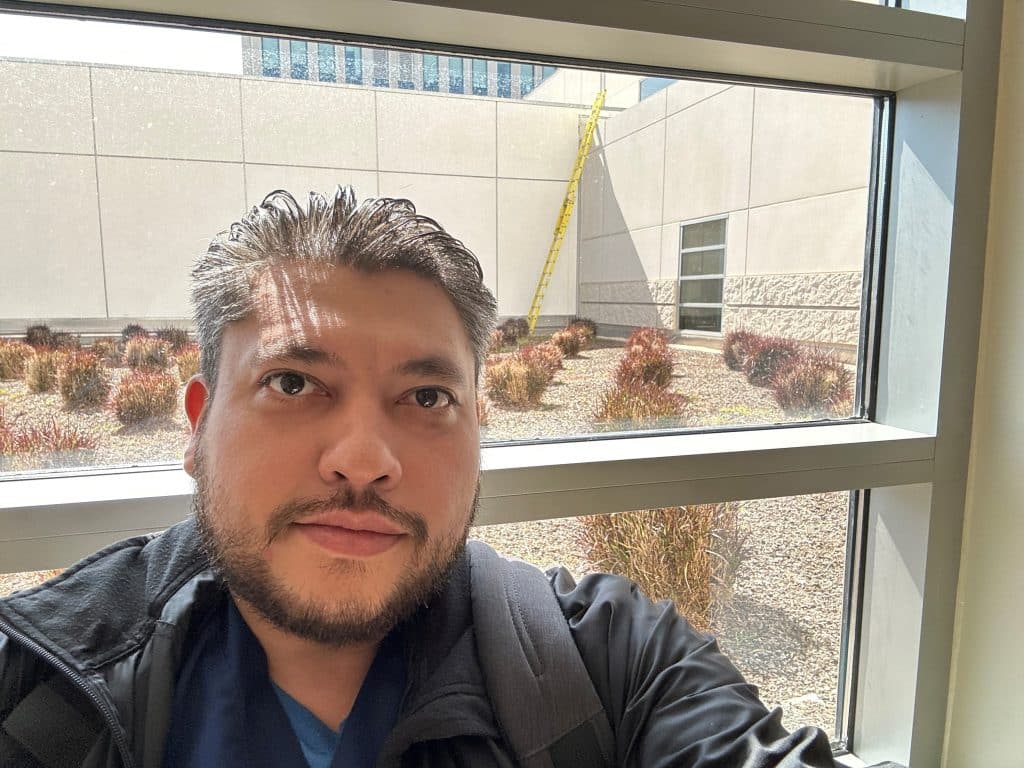 “While I was in high school, I was interested in engineering and technology. While the school was hosting various universities, I was intrigued by the development of artificial hearts and kidneys. From there, I had my eyes opened on technology that I didn’t know was possible. I decided to start my career path in biomedical engineering,” Ochoa says.
He went through the Devry BMET program, which he described as very accelerated. He says it provided a lot of great knowledge ranging from AC/DC to X-ray.
“I have gone through various paths to get to where I am now. I initially got hired at Varian Medical Systems as a final test engineer and then cross-trained between high-energy and low-energy linear accelerators. In that job, I met some wonderful and intelligent engineers that were working on the newest technology, which is now called TrueBeam,” Ochoa says.
He says that while he was working at Varian, he had a second job as a biomed at UHS repairing various rental equipment devices that would circulate from hospitals into the depot.
“While having both jobs was a bit of a challenge, I was able to learn both the OEM standards and the day-to-day medical equipment used in healthcare facilities. Those positions were both in the Bay Area, and I grew up in the Central Valley, so I started a new path working alongside other incredible biomeds at the DoD Army Depot located in Tracy, California,” Ochoa says.
He explains that the job allowed him to support the various reserve and military bases throughout the western states and he would travel to Nevada, Washington and California.
“The DoD had us working on a multitude of equipment, ranging from combat-ready aspirators to military grade anesthesia machines. In the depot, I was the primary person working on the military-grade ventilators where we would rebuild every component inside the unit, including the blenders,” he says.
An hour or so from the bay, and traveling between states, Ochoa found himself missing the Bay Area, so he decided to apply for a permanent non-traveling position within a hospital setting.
“I was able to join a very reputable hospital as a journeyman in 2009. Since then, I worked hard to learn the various integrations and management of projects and help in developing a program for the clinical engineering department. Since 2014, I have been the chief of clinical engineering,” he says.
TAKING OWNERSHIP
Ochoa was not spared the additional challenges faced by most HTM professionals during the pandemic.
“When COVID-19 was at its peak, the clinical engineering team was a major part of providing safe patient and staff care like developing a way where the ventilators being used on COVID-19 patients could be monitored and controlled from outside the isolation rooms. This challenge required close communication with the OEM, hospital quality team and respiratory team,” he says.
Ochoa says that the biomed team was successful in converting all of the ventilators at two hospitals.
“Clinical engineering also provided education to Bloom Energy on ventilators as they were a key partner with California when there was a shortage of ventilators,” he says.
Ochoa’s experience and work have yielded recognition. He earned an excellence in service award two years ago and employee of the month in 2019.
During his free time, Ochoa enjoys collecting items like vintage video games and trading cards.
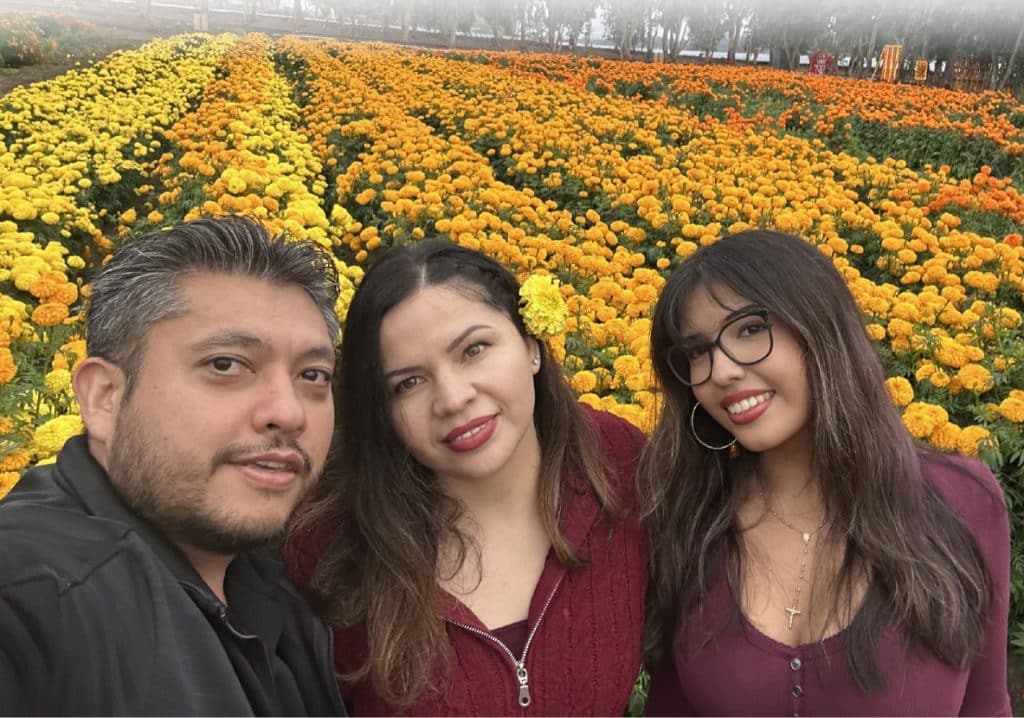
“I have a wonderful and very supportive wife; we’ve been married for 21 years, going on 22. We have a son who (in April) turned 21 and a daughter who also (in April) turned 17. My family is who keeps me going and are all very intelligent and hard working. My son is majoring in a career that is hard to understand for me; it is dealing with molecular sciences, virology and pharmacology. As for my daughter, she is looking forward to starting a career path in healthcare as an L&D nurse,” he says.
Summing up his personal philosophy towards work and life, Ochoa characterizes himself as “a hard-working individual that will never pass the hot potato.”
“I strive in helping everyone I can even if it is guiding them to the right path where they can get their questions answered. I was a young parent, at a young age of 18, so I have learned to always keep my head up and push forward. I was going to school full time and worked full time while my supportive wife stayed home caring for our son,” he says.
Amassing experience and overcoming challenges contribute to leadership skills. Not passing the “hot potato” and taking ownership contributes to respect.