By Steven J. Yelton, P.E., AAMIF
I’m proud to have been asked to participate in the 100th anniversary of the Japanese Society of Medical Instrumentation (JSMI) at its 100th annual Congress in Yokohama, Japan. In preparation for the congress, I was able to investigate the relationship between AAMI and JSMI. I found out that it has been a long and rewarding relationship. The following includes some excerpts from my JSMI presentation abstract.
I thought it would be interesting to devote this column to sharing some background and overview of the relationship between these two organizations. Many of us have participated in events with JSMI when many of their members attend the AAMI Exchange, but likely didn’t know the background.
AAMI was started in 1965 when it’s articles of incorporation were filed. This fact caused me to be fascinated that JSMI was celebrating 100 years in existence this year. AAMI, shortly after its incorporation, decided to have an active role in certification and international medical device standards. AAMI launched the BMET certification program in 1971 and then the clinical engineering certification program in 1973. The radiation equipment specialist certification was added in 1979, and laboratory specialists in 1981.
For AAMI, standards development got a huge boost in the 1980s when the European Community declared its reliance on standards as a form of regulation in its organizing documents. “Suddenly, it was to industry’s advantage to participate in these efforts and harmonize standards across different markets,” says Mike Miller, former CEO of AAMI.
According to its website, the Japan Society of Medical Devices, a general incorporated association, was established on March 16, 1923, with the objectives of contributing to the advancement of medicine and the development of the medical device industry, while contributing to the spread of science and technology related to medical devices. At the 7th General Meeting of the Japan Medical Association in 1926, it was recognized as the 34th subcommittee of the Japan Medical Association, and on April 1, 2011, it obtained legal status as a general incorporated association and continues to exist to this day.
The membership of the JSMI is made up of medical professionals such as doctors, medical and medical researchers, nurses, clinical engineers, sterilization technicians, and material department staff, as well as science and engineering researchers involved in the research and development of medical devices, and medical device-related companies responsible for product development, manufacturing, and distribution, and is an academic organization that advocates contributing to the advancement and development of medicine and medical devices.
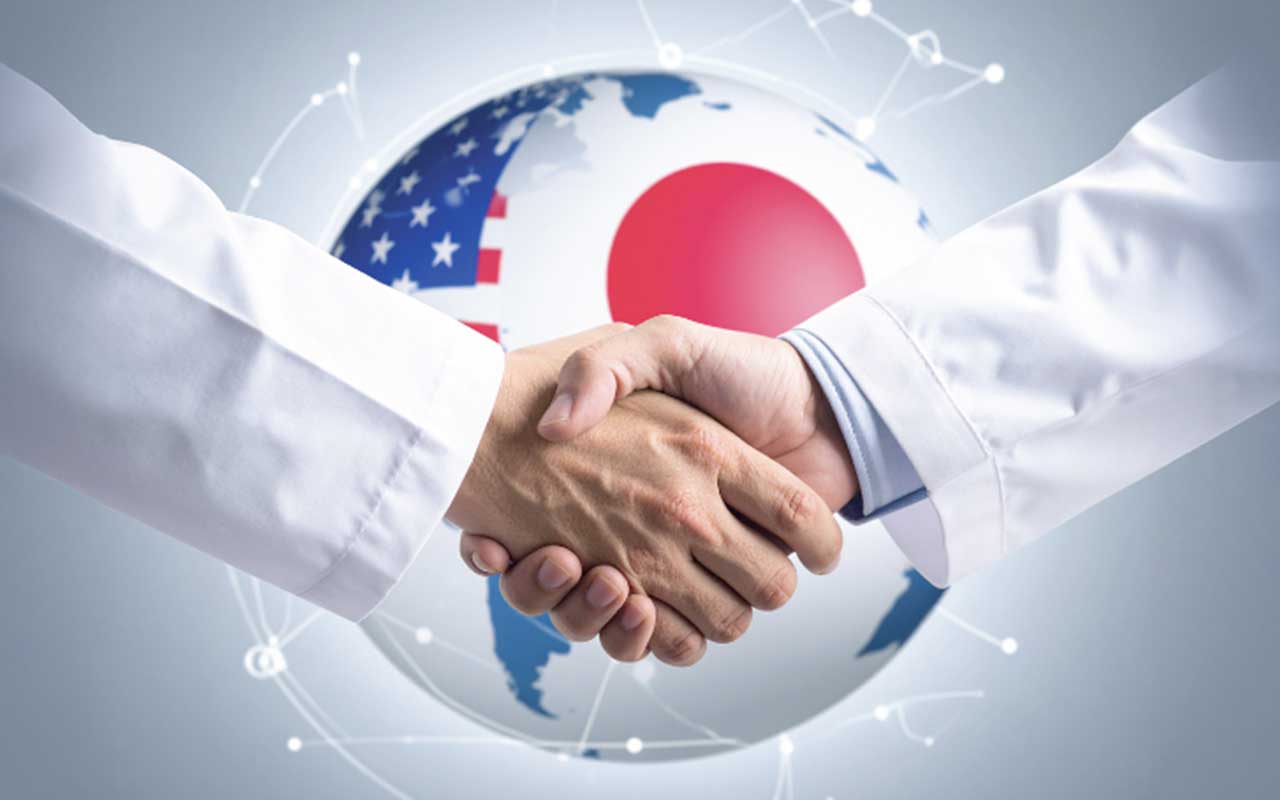
Over the years, both organizations have worked closely to enrich the global healthcare technology community. JSMI has been a vital contributor to AAMI’s annual conferences, providing sponsorships for educational programs and co-hosting scientific sessions. In return, AAMI has sent its members to Japan, offering expertise and insight into various facets of medical technology. These exchanges have proven valuable, fostering mutual respect, understanding, and a deep sense of international solidarity in healthcare innovation.
The origins of this enduring relationship date back to the leadership of Dr. Masakazu, the then-chairman of JSMI’s International Liaison Committee, and Dr. Harold Laufman, AAMI’s president at the time. Their visionary collaboration, initially marked by the exchange of ideas and the introduction of AAMI’s quality systems course to Japan, laid the foundation for a bond that would grow and thrive.
As AAMI continues its collaboration with JSMI, we look forward to a future of shared innovation, learning, and growth. The partnership between AAMI and JSMI exemplifies how cooperation across borders can drive progress in healthcare, benefiting patients and healthcare systems worldwide.
AAMI’s work is guided by its core mission to promote the safe and effective use of health technology. Central to this mission is the Develop-Adopt-Apply model, which ensures that AAMI’s standards and guidance documents are relevant and impactful:
1. Develop: Identifying and creating the right standards at the right time to address emerging challenges and technologies.
2. Adopt: Actively promoting the adoption of these standards by medical device manufacturers, regulators, and healthcare organizations worldwide.
3. Apply: Ensuring that standards are effectively implemented in real-world settings to drive tangible improvements in safety and efficacy.
This model drives AAMI’s core work, which includes standards development, training and certification programs, and events designed to engage the global community and advance healthcare technology.
In honor of JSMI’s 100th annual Congress, AAMI reaffirms its commitment to fostering safe, effective healthcare technology through global partnerships and cooperation. Together, we can continue to shape the future of healthcare and improve patient safety for generations to come..