



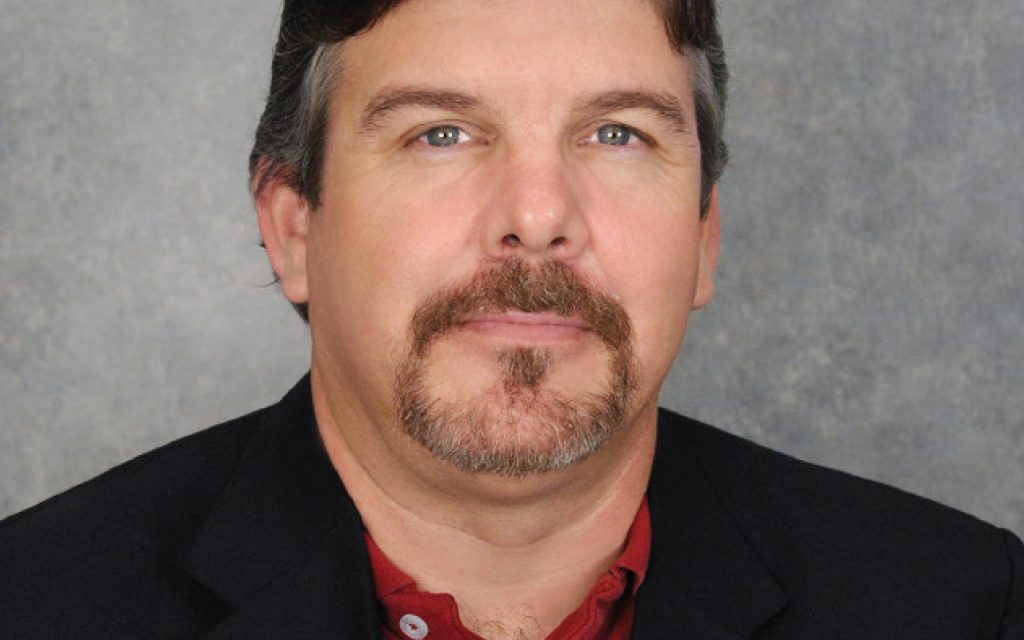
By Roger A. Bowels, MS, EDD, CBET
Spring semester 2023 is in full swing. This is the third consecutive year that we have had an arctic blast here in Central Texas. Three days of no class gives me a chance to write from home. It reminds me of the word “presence” and what it means to classes these days. As I have mentioned, we have moved to somewhat of a “flipped classroom” where lecture material is online for students to access, and labs are completed in person. The jury is still out on whether it is working. Students, for the most part, are not enthusiastic about it. God knows the college has hired enough people to try to make it work. We now have a plethora of new instructional designers, “content matter experts” and three times the number of college administrators that we had just three years ago despite overall fewer students. I’m sure they know something I don’t. On a very positive note, we do have more real, modern medical equipment for students to learn with than we ever had before.
The flipped classroom idea is not a new one, even the Motorcycle Safety Foundation has rolled out this option for motorcycle training, where students take the classroom part online and then come in to do the range exercises on motorcycles. For us at the college, there is work to be done with the material. Just recording a video and providing information on each topic is not enough. This model assumes student self-motivation and self-direction.
Over the past two decades, I have taught multiple online classes for 4-year universities. Some of these classes had better content than others. For a technical college, there are some challenges. One observation I have made over the years is that students learn from each other as well as from the instructor. They also motivate each other based on their interaction in class. Students’ concurrent presence is indeed important to the process. The dynamic of face-to-face classes provides spontaneous learning interactions that don’t seem to happen as often in online environments, even when learning management platforms offer opportunities for discussion and online interaction. Staged interaction is just that … staged.
“Presence” is a factor in education as it is in health care as it is in motorcycle safety. Working and learning in the presence of real, working equipment is preferred over simulations. It has more motivating effects. Talking with nurses, doctors and health care workers is preferred over the telephone, videoconference or texting. But sometimes we must do what we must do in cases where a “live” environment is not possible such as during the pandemic. The key is, I believe, to provide that live environment whenever possible with real factors and real instructor presence.
In all fairness, the Motorcycle Safety Foundation spent a lot of money in developing their online classroom segment, and after viewing it, and using it, I’m impressed with how in-depth it goes. I can see the advantage of standardizing instruction using quality materials. But it is one class. With a technical curriculum, creating each class in such detail and using such simulation for all the tasks involved with all the equipment involved seems like a formidable task. Complicating matters is ensuring sufficient motivation for students to be successful. Motorcycle simulators are rare but fun. Flight simulators are fun too … and useful. But they are tools that simulate the real environment and should be used in addition to the real environment.
I was reading an article posted by Wichita State University about presence in the classroom. They stress the importance of ensuring instructors include and inject the “real them” into their classes and ensure “connections between them and students and students with each other.” This is the hard part and the part that instructional designers and instructors must pay the most attention to. Instructors in technical education also have the responsibility to include real-world examples and real-world experiences in the students’ experiences to better prepare them for their own experiences. The live presence is often the most effective in presenting this real-world interactive introduction. Field trips are one example where spontaneous interaction can take place between students, professionals and instructors. Internships, of course, are another example and probably the best example.
Technical instructors are the gateway to the students’ entrance into the career field. Most technical instructors have experience with real-world equipment in real environments with real tools and real people. Finding a way to always include this presence is key to being successful in motivating students.
Education is no doubt evolving into new methods to include virtual learning and asynchronous classrooms where students can learn at their own pace at their leisure. In no way am I against exploring every opportunity to improve our methods and student outcomes and perhaps even speed up the process by which individuals can train to become valuable members of the HTM community. Adding resources and methods for students to learn new skills is a good thing.
However, based on experience and the current increasing need for qualified technicians, I would stress the need to not forget the basics and the need to make sure the graduates are not only technically prepared but are able to think on their feet and interact with each other and health care providers in a professional manner. To do this, let’s not forget the importance of technical instructors and their presence in technical education. Let us add to the toolbox of training future BMETs, not substitute tools.
On an unrelated but “important to me” note, I just noticed that BMET III Larry Sanlin, was named Professional of the Month by TechNation on February 1, 2023. I served with Larry on the USS Will Rogers SSBN 659 Gold crew in the 1980s and never knew that Larry went on to become a biomed after leaving the Navy. Larry and I were both in the Weapons Division on the sub and spent many hours conversing while patrolling in the depths of the North Atlantic. Larry was an outstanding individual back then and it is evident that he continues to excel at whatever he puts his efforts toward. Congratulations, Shipmate!
Roger A. Bowles, MS, EdD, CBET, is a biomedical equipment technology/medical imaging technology instructor at Texas State Technical College-Waco.
