




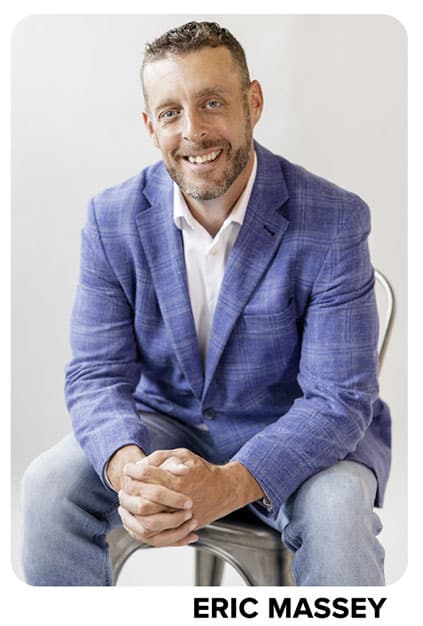
By Eric Massey
In healthcare technology management (HTM), certifications are the gold standard. Whether it’s a CBET proving technical mastery or a CHTM validating management expertise, certifications demonstrate rigorous preparation and achievement. But here’s the truth: leadership itself goes beyond any single exam. It’s not a one-time test. It’s a curriculum you build, renew and practice throughout your entire career.
Too often, leaders are promoted without that same intentional preparation. The result? Brilliant technicians find themselves struggling to manage teams, delegate effectively, and set a vision. Leadership, like any certification, requires structured growth and ongoing renewal.
COMMUNICATION: THE FIRST EXAM
Communication is the foundation of leadership mastery. But it’s more than clarity it’s about connection. Great leaders don’t just deliver information; they inspire, influence and create belonging. They make their teams feel seen, heard and valued.
• Practice Drill: Before every meeting, write down not only your key message but also a story or example that brings it to life. Then ask yourself: “How can I invite my team into this vision, so they feel like co-creators?”
DELEGATION: BUILDING TRUST THROUGH EMPOWERMENT
Delegation isn’t about passing off tasks it’s about building trust. Every time you delegate, you’re saying, “I believe in you.” Done well, it empowers your people, strengthens accountability, and develops future leaders. Done poorly, it erodes trust and engagement.
• Practice Drill: When delegating, always provide three things: the why behind the task, the resources for success, and your clear belief in their ability. Follow up with support, not micromanagement.
VISION-SETTING: PAINTING THE FUTURE TOGETHER
Technical certifications prepare us for solving known problems. Leadership prepares us to create the future. Vision-setting is more than defining what’s next it’s aligning the team around a clear direction, why it matters, and how each person contributes.
• Practice Drill: Each quarter, write a “Future State” paragraph describing where your department will be in six months. Share it with your team and connect each individual’s role to that vision.
 THE LEADERSHIP CURRICULUM: FOUR LEVELS OF MASTERY
Like technical and management certifications, leadership mastery builds in levels. Here’s a curriculum to guide your growth:
• Level 1 Communication Fundamentals: Active listening, feedback, storytelling and clarity.
• Level 2 Delegation & Empowerment: Defining success, providing resources and building trust.
• Level 3 Vision & Strategic Direction: Goal setting, prioritization and rallying the team around purpose.
• Level 4 Advanced Competencies: Emotional intelligence, change management, conflict resolution and courage under pressure.
Overlay this with six habits that drive high performance clarity, energy, necessity, productivity, influence and courage and you’ve got a structured framework for lifelong leadership mastery.
NOVEMBER CERTIFICATION CHALLENGE: A FOUR-WEEK PLAN
Don’t just read practice. Here’s your 30-day roadmap:
• Week 1: Observe & Reflect
Where are you strong? Where do you struggle?
• Week 2: Set a Specific Goal
Define what improvement looks like in one competency.
• Week 3: Practice Intentionally
Use drills like storytelling in communication, trust-building in delegation, or vision-sharing in meetings.
• Week 4: Assess & Adjust
Ask your team for feedback. What improved? What needs more work?
Treat this like a true certification exam: structured, intentional and measured.
STAKES ARE HIGH
Leadership isn’t just about personal growth it’s about impact. When leaders fail to grow, it’s not only teams that suffer it’s hospitals, patients and the entire HTM industry.
The world needs you to lead with clarity, courage and care. So, ask yourself: “What’s at stake if I don’t step up as a leader?”
When leaders commit to mastering their craft, everyone benefits. That’s a certification worth earning and renewing.
