By K. Richard Douglas
Strategic planning is a structured process for organizations to outline their future direction, set clear goals and allocate resources effectively. The process is important for navigating dynamic environments, fostering internal alignment and enhancing competitiveness.
It is a comprehensive framework that serves as a roadmap for an organization, outlining its vision, mission and long-term goals and detailing the actionable steps required to achieve them. It involves a structured process of defining strategy and making plans for the future.
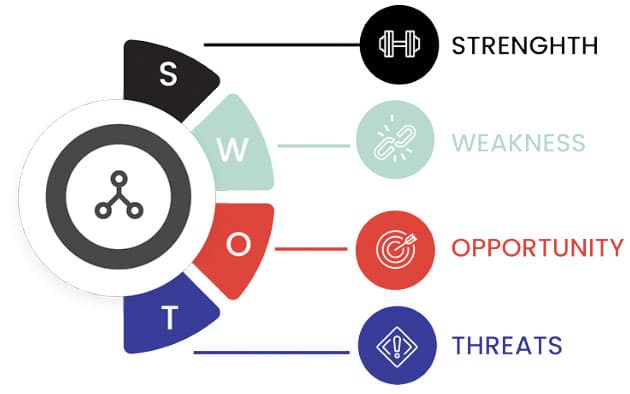
Strategic planning typically encompasses stages like building awareness, goal formulation, environmental analysis (including SWOT – strengths, weaknesses, opportunities and threats), strategy creation, implementation, continuous monitoring and evaluation.
 Key aspects of a strategic plan include: mission, vision and values. These foundational elements define the organization’s core purpose, what the future would look like if its goals were achieved along with the guiding principles for behavior and decision-making.
It is important to differentiate strategic plans from operational business plans and emphasize the necessity of flexibility and stakeholder involvement for successful execution, noting that effective strategic planning is an ongoing and adaptive process crucial for long-term growth and resilience.
Developing a comprehensive strategic plan is vital for any healthcare technology management (HTM) department, serving as a long-term roadmap that aligns departmental goals with the overarching mission of the health system.
Strategic planning looks three to five years out, focusing on a long-term vision and a broad scope. It involves higher levels of leadership within the department (such as directors) in its generation. The strategic plan requires specific, long-term budget dollars targeted toward future initiatives, potentially including capital expenses like the construction of new facilities or the establishment of a central depot for repairing low-acuity devices.
Adjustments to the strategic plan are occasional, necessitated by significant circumstantial changes, such as merging from a 25-hospital system to a 33-hospital system. Strategic progress is typically reported to the executive team.
Operational planning, conversely, addresses short-term objectives, often focusing on annual goals. These goals are narrow and detailed, involving day-in and day-out activities. Operational plans involve managers, supervisors and frontline staff in their creation and they are subject to frequent, even daily, adjustments (e.g., during morning huddles).
The operational plan relies on the operating budget, covering expenses like parts, service contracts and labor. Operational reports, such as monthly PM compliance and incident reports, are shared throughout the organization. Crucially, the operational plan should incorporate milestones and objectives necessary to achieve the goals set forth in the strategic plan.
LAYING IT OUT CONCISELY
Mike Busdicker, MBA, CHTM, AAMIF, FACHE, an HTM professional with 43 years of experience, including senior leadership, presented on the topic of “Why and How to Develop an HTM Strategic Plan” at last year’s MD Expo in Las Vegas.
“The healthcare industry continues to change and the HTM department needs to ensure they are positioned for the future. A strategic plan will provide the HTM department with clear direction, improved decision-making, enhance operational efficiency and will help establish performance metrics to achieve department and organizational goals,” Busdicker says.
He says that it can also generate innovation, improve resource allocation and allow the department to be proactive in managing risks and adapting to a rapidly changing healthcare environment.
In order to formulate a successful strategic plan, HTM leadership needs to rely on the right sources of information to make accurate forecasts.
“Good leaders will rely on a variety of information that can be gathered through internal and external analysis. This data will allow leaders to understand the department’s current state, define its future vision and set measurable goals,” Busdicker says.
He says that internal information focuses on the department itself and will identify strengths and weaknesses. This should include things like key performance indicators (KPIs) and metrics, operational information, financial data, staffing, core competencies and stakeholder feedback.
“External information should focus on the larger environment to identify opportunities and threats that may be outside the department’s control. Information can come from things like industry research, competitor analysis, customer analysis and economic trends,” Busdicker adds.
He says that once this information is captured, leaders should integrate internal and external data.
“This can be done by using a SWOT analysis to combine internal data (strengths and weaknesses) with external data (opportunities and threats) to get a complete picture of where the department stands. This will provide leadership with strategic themes, goals and objectives and provide the framework for development of action plans,” Busdicker says.
THE NECESSITY OF AN HTM STRATEGIC PLAN
Creating a strategic plan is necessary to avoid falling behind the industry curve, as evidenced by major corporations like Blockbuster, Circuit City, and Toys-R-Us that either failed to plan strategically or failed to routinely review their plans. For HTM, a strategic plan serves several critical functions:
• Sets Direction and Goal Alignment: It clearly defines the department’s path, getting all caregivers working toward a shared objective. It ensures the HTM department’s goals are aligned with, or mirror, the organization’s goals.
• Resource Allocation and Risk Management: The plan determines how to allocate financial, manpower and technology resources effectively to accomplish strategic goals. It also identifies potential risks and outlines mitigation strategies.
• Performance Measurement and Communication: The plan establishes a year-by-year road map with key indicators for routine assessment. Communicating this plan to frontline staff helps them understand the department’s future and identify opportunities for career development.
BRINGING IT INTO FOCUS
How do you get all stakeholders on board with a strategic plan as it relates to HTM? Where does the consensus come from in creating and adapting the plan? Some major retailers have failed, so why did their strategic plans go wrong?
“In order to develop a sense of ownership, leaders must be sure to involve key stakeholders early and often. This can be done through empowering individuals in the development of the plan and creating cross-functional teams to drive alignment,” Busdicker says.
He says that the strategic plan must be communicated to staff with a clear vision and benefits.
“Leaders must be able to explain the ‘why’ and the vision for success. This communication needs to occur often and can be done through various channels. The plan should be accessible and easy to understand by all employees,” Busdicker says.
He says that the strategic plan should be part of the daily, or weekly, work plan and integrated into things like team meetings and huddles. This will help drive home the importance and provide employees with a general sense of status and their individual contributions.
“Leaders should be sure to celebrate achievements related to the strategic plan. One avenue is to develop ‘quick wins’ that take no more than 90 days to complete. Also, good leaders will acknowledge specific employees or teams and reward desired behaviors that contribute to moving the strategy forward,” Busdicker adds.
He says that consensus in relation to strategic planning for HTM comes from a collaborative, inclusive process where input from all stakeholders has been considered and valued.
“This should lead to a shared understanding of goals, direction and the path forward. Some of the key elements include active listening, open discussion, respect of ideas, incorporating diverse perspectives, establishing clear objectives and empowering employees and stakeholders to contribute. All of these items will help build trust, provide new ideas and strengthen commitment to the plan,” Busdicker says.
He says that organizations like Toys-R-Us and Circuit City did not position themselves for the future. They ignored things like online retail, mail order, newer integrated technology, smaller and more powerful widgets. They stayed in their lane and did not look or adjust to the future.
ALIGNING GOALS
Busdicker says that HTM departments must be aligned with the strategies of the organization. This includes alignment with the overarching goals to ensure effective resource allocation, patient safety and operational success.
“When the HTM department is on the same page as the organization it can lead to enhanced life cycle management, equipment standardization, meaningful metrics and continuous improvement. A misalignment can lead to fragmented technology management, inefficient spending and compromised patient care,” he says.
This will ensure that the HTM department’s work will directly contribute to the larger organizational strategy and provide a single direction. These measurable and actionable items will provide effective resource allocation, improved collaboration with other departments, and a focused approach to achieving the overall strategic success.
The HTM mission statement should be identical to the health system’s mission. The HTM vision, while not identical, must be aligned with the organization’s vision. Leaders must ensure staff understand how their contributions — such as equipment availability, compliance and cost avoidance — fulfill the mission.

POTENTIAL ROADBLOCKS
With the building blocks in place, what can impede a strategic plan?
“There are a number of things that can impede a strategic plan with the most prevalent being poor planning – unclear objectives, unrealistic goals, insufficient data – and poor execution. An HTM department that rushes to complete a strategic plan could end up with a document that has unclear objectives, unrealistic goals and insufficient data. This typically results in lack of buy-in from employees, no stakeholder involvement and misalignment with the organization,” Busdicker says.
He says that poor execution of the strategic plan can lead to failure of reaching goals and objectives. This topic includes the lack of communication to employees and stakeholders, limited resources, no buy-in, a resistance to change and an inability to adapt.
ADAPTING BEST PRACTICES
Resources that can guide best practices in establishing a successful strategic plan can come from internal and external sources.
“There are a number of internal and external resources for developing a strategic plan. Some have been covered like the SWOT analysis, competitor analysis, industry reports, and market analysis. Each healthcare institution should have a department, personnel, or a potential management firm, dedicated to development of an organizational strategy. These are internal resources that can be utilized by the HTM department,” Busdicker says.
He says that external resources for development of a strategic plan include management firms, consultants, education classes and books.
“One of my favorite books is ‘If Disney Ran Your Hospital: 9 ½ Things You Would Do Differently,’ by Fred Lee. This book outlines the difference, but same, ‘service experience’ provided by Disney and healthcare institutions. It can provide a framework for data collection and development of a strategic plan,” Busdicker adds.
COMMUNICATION AND EVALUATION
Communication is paramount to a successful strategic plan. Stakeholders should be identified and categorized based on their level of interest and influence. The focus should be on engaging those with high interest and high influence, as they are most helpful in overcoming obstacles and barriers.
A communication plan detailing how often and with what level of detail different stakeholder groups receive updates must be developed. Finally, the plan requires continuous evaluation, monitoring progress against the established road map and strategic priorities, learning from items that were not successful, and reporting HTM contributions to overall organizational success to higher leadership.
Key components include defining clear objectives and setting SMART (specific, measurable, achievable, relevant and timely) goals. A situation analysis, which includes a SWOT analysis should be conducted. Leadership should focus predominantly on strengths and opportunities, as strengths set the team apart, and opportunities can be developed into strengths. Strategic priorities must then be captured and aligned with broader organizational objectives like stewardship, quality and safety.
Busdicker says to provide more details of the plan to the high-interest, high-influence stakeholders. As far as some of the barriers mentioned earlier, some of the high-influence stakeholders may be able to help overcome those.
With a plan in place and barriers out of the way; a strategic plan can lead to HTM success.