



By Steven J. Yelton, P.E., AAMIF
As I write this column for the November 2023 issue, we are fully into the 2023 fall semester at Cincinnati State. I’m reminded of the November 2022 issue where I discussed the new school year and the excitement expressed by our students. There is one big difference this year. We were not able to run either of our biomedical instrumentation courses because of poor enrollment.
This school year has started with a robust interest in the healthcare technology management (HTM) field from our cooperative education and full-time employers. We still have interest in our program from students; however, we do not have the numbers required to run the HTM courses multiple times per year.
Our program remains relatively small but solid. In order to make the program more efficient, it was made a major off of the electronics program a few years ago. We continue to wrestle with methods for increasing enrollment as we have cooperative education and full-time employers anxious to hire our students and graduates.
For many years, our biomedical instrumentation classes only ran one time per year and that was always in the evening. Since Cincinnati State is a cooperative education college, half of the biomedical students would be working full time when the courses ran which required us to run the courses in the evening. This worked well because we meet largely at local hospitals and the evening provided a good time for classes to gain access to areas of the hospital that are very busy during the day. This made it nearly impossible for access for the classes during the day.
I have had many discussions with my advisors within our local hospitals and HTM industry. As you can imagine, they are very concerned about how they will fill their need for new HTM technicians. They have even discussed the possibility that they could train their own technicians in-house. As I mentioned to them, training the students is not the problem, attracting students is the issue. If the hospitals attract technicians, we can easily get them the coursework that they need to complete an Associate of Applied Science degree.
As with anything, there are many positives depending on your point of view. When we only run our courses one time per year, the courses are virtually guaranteed to run. Students need these courses to graduate and therefore we will make every effort for them to run when promised. With fewer students graduating, there is a feeding frenzy in our area for HTM technicians. This is true of recent graduates as well as experienced technicians. Again, good for the techs, not so good for employers.
As I mentioned earlier, Cincinnati State is a cooperative education college and the HTM program requires students to have at least one semester of related cooperative education experience in order to graduate. In the co-op model predominantly used at Cincinnati State, the student alternates periods of in-class education with on-the-job training generally at a hospital, OEM or third-party vendor. Some college programs place students at work sites in the summers between school years for an “internship.” Co-op at Cincinnati State where students work year-round is much less prominent.
An unexpected issue with the lack of available students and technicians is cooperative education students are electing to accept full time jobs prior to completing their degrees. Their intention is to complete their degrees, but this means that we have students that don’t return to school full time but rather work full time and try to finish school part time. This plan is fine as long as the student is able to complete the degree. It becomes difficult when they are working full time and at times are required to attend service training where they must miss school.
We certainly will continue to stress the importance of the online component of our program while tempering it with live classroom and laboratory instruction. We are constantly updating our classes and striving to improve the online component of the courses. We hope that as we stress this component of our program, we will be able to attract more non-traditional students as well as the traditional student.
As a final way for us to produce additional HTM technicians, we will continue to work closely with employers in the recruiting process. As I have mentioned many times before, if an employer offers someone a position based on them attending an HTM program, we find that the success rate of the student is much higher. We have had employers come to us at the college and tell us that they have hired a technician with some troubleshooting and electronics skills but need to attain biomedical instrumentation and related course work. We work with that student to produce an educational plan that will enable them to complete their coursework for an HTM degree in a timely manner. They are able to use their work at the hospital to satisfy their cooperative education requirement for graduation.
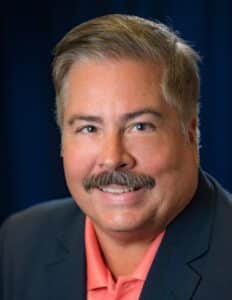
Steven J. Yelton, P.E., AAMIF; is a senior HTM engineer for a large health network in Cincinnati, Ohio and is a professor emeritus at Cincinnati State Technical and Community College where he teaches biomedical instrumentation (HTM) courses.
