



Sponsored by Innovatus Imaging

By Ted Lucidi, CBET

Ted Lucidi, CBET
I always appreciate revisiting topics from earlier 20/20 articles. It allows me the ability to assess the content with a new perspective and learn if there’s an opportunity to provide additional, or more up-to-date, information. It also re-presents content to those who may not have been supporting imaging modalities, or those who may not have been TechNation subscribers, at the time. We released our first TechNation article back in January 2019, and provided readers with 5 steps for obtaining sustainable MRI coil repairs. Following are 5 UPDATED Key Questions to ask about MRI coil repair processes to help you make wise, informed decisions that you, your team and your patients can live with.
Cable Harnesses
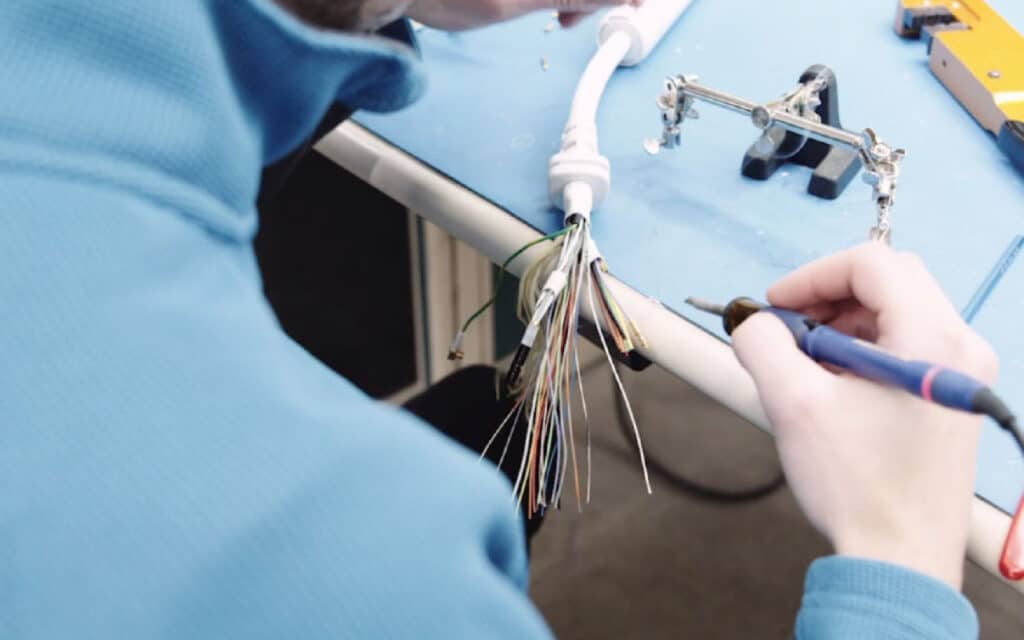
Question: Are system cables replaced or are they spliced? A common practice in the coil repair space is to splice or bridge failed wires in a coil’s system cable. Splicing, or bridging, a failed cable is a very cost-effective means of addressing a damaged or intermittent wire. It also offers a very rapid turn-around time. That being said, spliced or bridged wires within system cables can result in latent failures. There are, sometimes, dozens of wires within a system cable. If a single wire has failed, you can bet that others have failed, or are on their way to failing. The end results are more-frequent repairs, more down time, and potentially, more performance issues. Sustainable repair processes replace all of the wires in a system cable, resulting in higher first-time fix rates. Replacing costs slightly more, however; the longevity of the repair and life extension of the coil more than compensate for the additional cost and helps to lower the overall cost of ownership. Some of the latest coil models from Philips utilize fiber optic cables. Innovatus Imaging has the ability to fabricate traditional replacement system cables, but also fiber optic cables. This approach to repair is just one of the reasons that we can provide a 6-month warranty period.
Testing Methods
Question: What testing methods are used to troubleshoot and assess overall performance? And, is the provider able to find potential hidden electrical performance issues? Simplistic testing, or single point of failure testing, often fails to identify additional issues affecting a coil’s overall performance. Single point of failure repairs are, as above, quick and cost effective. A more sustainable approach is one that is holistic in nature. As a former manufacturer of MRI coils, we utilized and currently employ, modular testing, which breaks-down the coil into individual segments and assesses the performance of each section. A holistic approach to repair is one that can help to identify borderline QC problems, result in higher first-time fix rates, fewer latent failures and greater long-term value.
Source of Replacement Parts
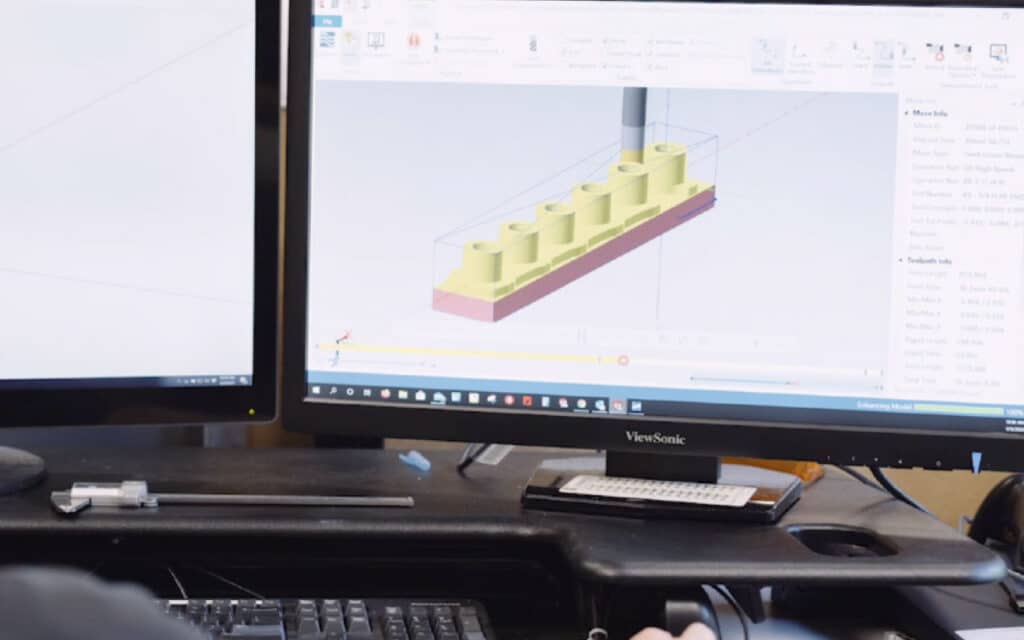
Question: What are the sources of mechanical parts used in the repair? And, is the provider able to perform mechanical repairs, and to what level? Mechanical repairs may prove challenging for some providers. Some repair providers are only able to address electronic failures. Others provide varying degrees of mechanical repairs. 3D printing is one of the latest technologies available and parts fabrication can occur at a relatively low cost. While 3D printing can increase speed and accessibility, the parts fabricated via this method may not always last as long as traditional methods such as molding and machining. It’s critical to know how parts are sourced for your repairs as they can affect the longevity, cost of ownership, and future downtime. Innovatus Imaging has a whole team of engineers on staff and in-house. Specialties range from quality, electrical, mechanical, acoustic, and those specializing in RF applications. We have a full machine shop that includes mechanical design, rapid prototyping, full fabrication, verification, validation, and qualification of replacement parts, and all parts meet the OEM form, fit, and intended design.
Inspection and Engineering Processes
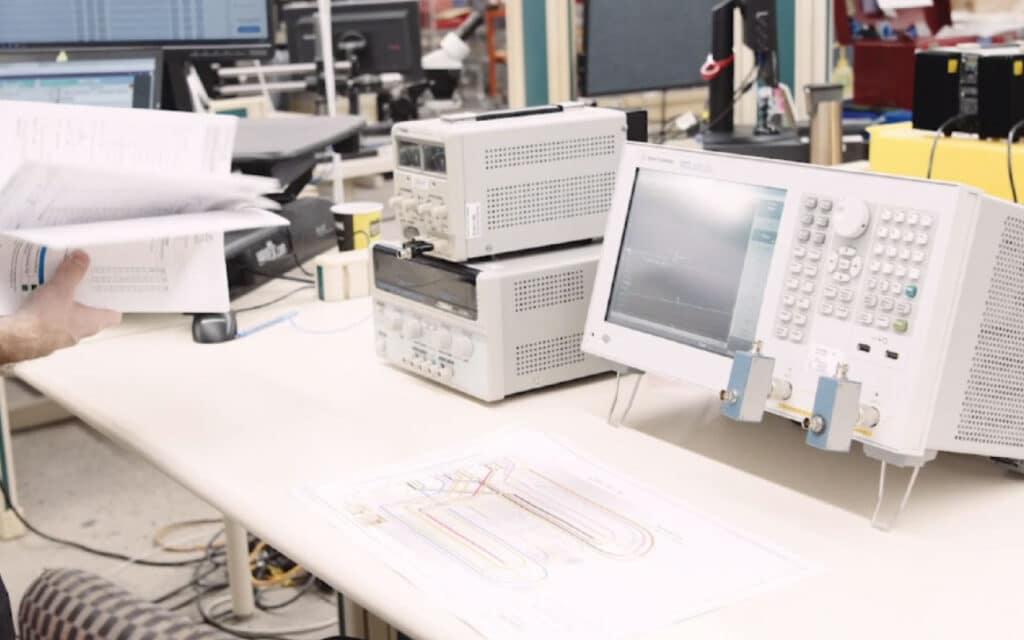
Question: How does the provider develop new repair capabilities? Do they just perform the spot, single point of failure repairs as mentioned above, or do they have an engineering process? You may not know, but OEMs do not provide schematics, bills-of-materials, testing procedures, or detailed specifications for MRI coils. Innovatus Imaging will not perform spot, single point of failure repairs on a coil model that we haven’t engineered. We’ll not TRY to repair a device. There is an entire engineering process, which includes development of schematics, visual work instructions, detailed testing procedures, bills of materials, etc. for every coil model we repair. All documentation is captured in an ISO 13485:2016 Quality Management System … Even down to the shipping and packaging material details.

Qualifications
Question: What experience, research, and processes are behind the repair? This is perhaps the biggest difference in suppliers. Do the technicians have decades of experience versus just basic electronics skills, and what testing processes, protocols, and simulators are used for quality assurance regarding the repair? With experience in coil manufacturing and research to identify best-in-class methodology and testing, Innovatus Imaging applies some of the most proven processes available to each repair. As a trusted repair provider for several prominent OEMs, we’re held to a very high standard, and that standard is consistent for every client.
What’s All This Mean for You?
All of the above translates into a device on which we’d image our closest family member. The Innovatus Imaging approach to repair is distinctly different, in a good way, and it enables the industry’s longest warranty period. After 40,000 coil repairs, we can say with authority that by using Innovatus Imaging, you can have increased uptime, increased return on investment, and a life cycle that’s not just been extended, but reset, at a fraction of the cost of replacement.
Ted Lucidi, CBET, is the director of commercial operations and business analytics at Innovatus Imaging.
