



Just a few months ago, I wrote about change for change sake. Sometimes it seems like change is constant … at least around here. But hopefully, some of it will lead to great improvements.
Texas State Technical College operates multiple campuses across the state including campuses in Waco, Marshall, Harlingen, Sweetwater, and now in Fort Bend County (near Houston), Red Oak (near Dallas) and Abilene. Biomedical Equipment Technology is offered in Waco, Harlingen, and Marshall. Until recently, each campus operated independently. This year, we united under one system and single accreditation status.
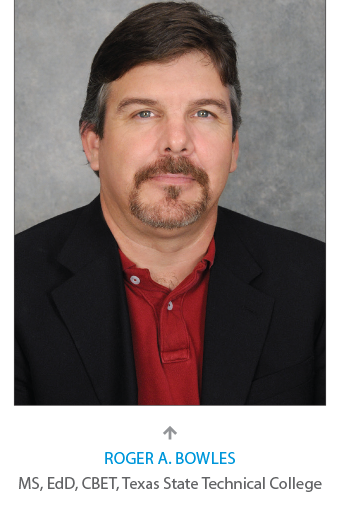 Under this new status, I accepted the role of Statewide Department Chair for Biomedical Equipment Technology, Medical Imaging Systems Technology, Electronics Technology, and Electronic Communications Technology. The idea is to streamline programs across campuses and hopefully draw best practices from each one to improve all. At least that is what I am hoping.
For the biomedical programs, one of the biggest issues has always been getting equipment. Each campus had different types and ages of equipment. This equipment is usually donated by advisory board members and employers of graduates. Budgets and number of instructors for each program varied widely, also. There is a lot of work to do in this area.
One of the other things we are doing is “granulizing” (new word for me but that is what they are using) the curriculum. That means, breaking down competencies into tasks and ensuring these competencies are included in each course. The programs will still be two-year, associate degree programs, but hopefully with a more clear cut value to employers.
In this new role, at least for the first year, I will not be spending as much time in the classroom … and this bothers me a bit. The whole reason I came to work for TSTC about 20 years ago was to teach. I enjoy the classroom and seeing the transformation that takes place in students as they progress through the program and graduate. Even more so, I enjoy seeing them succeed in the workplace and come back to encourage other students. After 4 or 5 years working in the field, most of them make more money than I do … and that is great!
Because I will be focused on the tasks that have been laid in front of me, each campus will have a Lead Instructor for each program that will handle a lot of my previous duties such as faculty evaluations, graduate placement, scheduling, etc. These lead instructors have not been announced yet, but we are hoping for a smooth transition.
I will be doing a lot of traveling around the state in coming months to meet with instructors and staff at the different campuses that offer programs in biomedical equipment technology, electronics, and electronic communications. One of the things we hope to do is to better market our programs. Recruiting is tough, especially if people don’t know about you. Like many of my colleagues at other schools, our enrollment had slumped in recent years. But thankfully, Fall 2016 is up in enrollment (60 new students in biomedical equipment technology at Waco alone). An accredited, two-year associate degree for around $15,000 (in state tuition, fees, books, and tools included), is a good deal and the more people that know about it, the better.
Finally, one of the things we hope to do this year is to reach out to ITT students, and help them transition to TSTC. Our school leadership is working on credit transfer issues and, hopefully, can turn a negative situation into a positive one.
