By Garrett Seeley
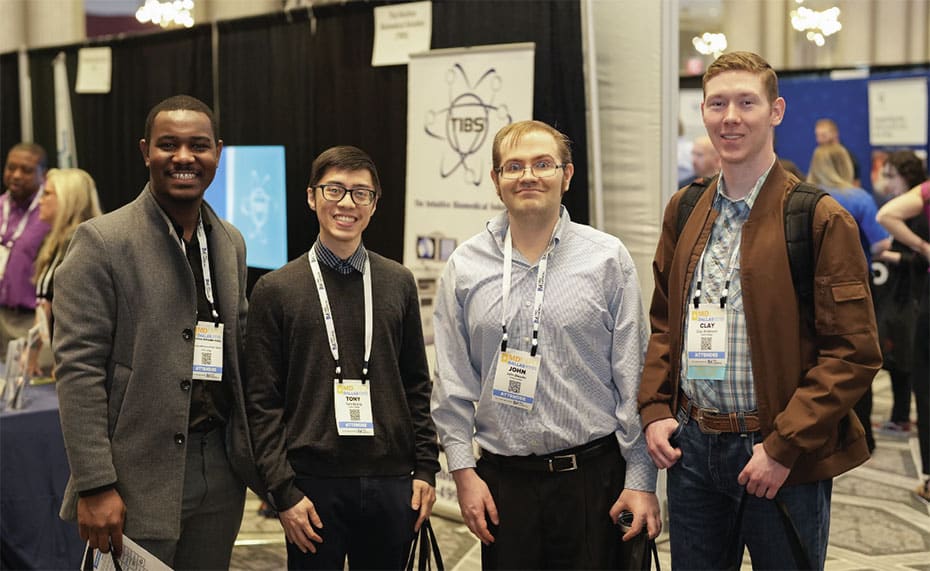
The end of 2025 was a time to reflect on the year and to look ahead to the future. This seems particularly apt as 2026 marks significant developments in HTM. In previous articles, I’ve discussed the technical aspects of computer networking. However, networking has another, equally important dimension: professional networking. In 2025, I attended the MD Expo in Dallas, one of the premier events for those in the HTM field. If you missed it, you missed one of my favorite opportunities to connect and network with other professionals.
THE NEED FOR A CLEARER PATH INTO HTM
One of the standout points made at the MD Expo in Dallas was the pressing need for a more structured path into our career field for the next generation. It’s a topic that resonated deeply with me, having spent decades trying to mentor and guide newcomers. It was heartening to see major organizations like AAMI and MD Expo actively partnering to address this issue.
To address the training gap, AAMI has introduced a remarkable initiative: the AAMI BMET Apprenticeship program. This program aims to provide a comprehensive educational path into biomed and IT fundamentals, offering certifications such as CABT and CBET. The apprenticeship integrates academic learning with hands-on job experience, often referred to as an externship. The role is paid, allowing students to earn while they learn. This mix of structured coursework and 6,000 hours of on-the-job training culminates in national certification, offering a new solution to the shortage of training programs across the United States.
Having worked in technical education at the college level for nearly 20 years, I believe this approach could finally bridge the gap between academic learning and practical experience. I urge employers struggling to find qualified technicians to consider this apprenticeship as a viable talent pipeline. While I strongly support traditional technical education, it’s clear that current programs are not meeting the demand for new technicians. For more information, you can reference the detailed article by TechNation at
1technation.com/?p=61500.
EXPANDING HORIZONS:
ENGAGING HIGH SCHOOL STUDENTS
Another notable initiative at the MD Expo in Dallas was the inclusion of high school students interested in the HTM field. Traditionally, such exposure was limited to local college students. By opening the expo hall to high school students accompanied by a parent, MD Expo provided a unique opportunity for these young individuals to explore HTM as a career path. It’s an innovative approach that could help spark interest at an earlier stage.
As a friend and supporter of my previous work, Brian Smith, once said, “Biomed is not sexy.” He’s right; our field lacks the glamour of some other professions. Many people are unaware of our existence until they encounter a malfunctioning piece of medical equipment. It is to our credit that most hospital patients never notice our struggle to keep everything running smoothly.
However, this anonymity is a double-edged sword. The lack of visibility means that many young people don’t consider HTM as a viable career option. This situation needs to change, and inviting high school students to conferences is a brilliant step in the right direction. By doing so, we can introduce them to the benefits of a career in HTM, such as steady work, improving pay, health benefits, and the opportunity to contribute meaningfully to society.
THE IRREPLACEABLE HUMAN ELEMENT IN HTM
Addressing the younger generation’s concerns about artificial intelligence (AI) replacing human jobs, I can confidently say that our profession will always need human expertise. Medical equipment repair requires adaptive, critical thinkers to ensure things run smoothly. AI can assist but cannot replace the human intuition and problem-solving abilities essential in this field.
PUBLIC SERVICE AS A GATEWAY TO HTM
Looking back, I found my way into HTM through military service, an excellent pathway for those looking to earn while they learn. HTM professionals are often stationed in hospital settings within the military, receiving top-notch training. During a recent tour of a military biomed school, I was impressed by the extensive training facilities, which far exceed what local technical schools offer. Military training is condensed, focusing on imparting essential skills in a matter of months rather than years. The downside is the selective nature of the military service entrance process and the limited slots available for entry-level technicians.
However, the National Guard also offers biomed positions, which, although fewer in number, are more secure than regular military service slots. This was my entry point into the field, and I believe it’s a viable option for the next generation as well.
EMBRACING NON-TRADITIONAL PATHS
One key insight regarding members of the current generation (Gen Z) is their willingness to explore non-traditional career paths. This open-minded approach aligns well with the evolving landscape of HTM training, such as apprenticeships and increased openness within our field. As a profession, we can leverage this mindset by advocating for and supporting these new training avenues. Those of us with decades of experience can play a crucial role in raising awareness and guiding newcomers.
In conclusion, elevating the next generation of technicians is in everyone’s best interest. After all, as we retire, we’ll want to ensure that there are qualified professionals ready to maintain and repair the medical equipment we rely on. By being vocal about the benefits of our field and the opportunities available, we can inspire the next wave of HTM professionals. Let’s work together to ensure a bright future for our industry and the talented individuals who will carry it forward.