



 By K. Richard Douglas
Military biomeds most often come well-prepared for a civilian biomed position. Many of those military biomeds learned about the occupation from a recruiter.
“I joined the Army on October 14, 2010. I knew I wanted to work in the medical field but just wasn’t sure what job I wanted to take on. The recruiter told me about biomed being a good job that I qualified for that deals with repairing medical equipment. So, I took a chance and I ended up liking it ever since,” says Jamal Guio, CBET, CHTM, CLSS, biomed technician in the HTM department at UT Southwestern Medical Center, Clements University Hospital in Dallas, Texas.
Guio received his initial biomed training in the military.
“I graduated from the Department of Defense Biomed Training Program in (what is now called) Joint Base San Antonio, Texas at the Medical Education and Training Campus (METC) in August of 2012. This is a 44-week training program to provide skills training for BMET personnel to include clinical applications, operation, inspection, maintenance and modification of a wide array of biomedical equipment systems used in fixed and mobile medical and dental treatment facilities,” he says.
Guio’s areas of specialty include Philips PICiX telemetry and patient monitors, ventilators and PrisMax CRRT/TPE machines.
He has held a number of positions during his military years and as a civilian.
“In the military I’ve come a long way into many different positions: bench repair technician at a depot warehouse, field service technician supporting Army units across the U.S. and other countries, shop foreman as a sergeant and a shop lead as a staff sergeant,” Guio says.
He says that as a civilian, he worked his way from a biomed tech 1 to 3.
“Andrea Brainard gave me my first opportunity to work as a biomed in Children’s Hospital in Dallas, Texas. I enjoyed the seven years of working there and it gave me a feeling of positivity as a technician. Servicing equipment that helps children was the overall best feeling I’ve had in a healthcare setting,” Guio says.
ANALYSIS AND ACTION
Above and beyond the more routine duties that biomeds encounter on a daily basis are those larger projects and challenges that may be based around new construction, installs or actions related to new inventory. Guio has experience with these challenges from the military and civilian sides of the profession.
“I successfully led a $1.5 million project overseeing the installation of 80 Getinge Servo-U ventilators, collaborating closely with the respiratory team to ensure a flawless one-for-one swap and the proper preparation of the old units for return to the manufacturer. Despite facing transportation delays from the manufacturer, we surpassed the estimated man-hours, prompting an extension of workdays to stay on schedule and meet the project deadline,” he says.
Guio says that through meticulous planning and coordination; he and colleagues ensured all equipment was accounted for and the project was executed seamlessly.
“This experience also honed my communication skills, as I provided daily updates on everything from performance metrics to start/finish times, ensuring clear and continuous communication between the HTM management team, the Respiratory department and the project management lead,” he adds.
Another challenging experience presented itself when Guio was in the Army.
Guio says that as a biomedical staff sergeant, he took charge of leading the maintenance shop at a combat support hospital in Baghdad, Iraq, ensuring efficient operations in a high-pressure environment.
“During the deployment, I identified numerous critical issues that required prompt attention, including parts ordering and ensuring equipment readiness. I developed a comprehensive three-month action plan to address over 40 devices that were missing from the CMMS inventory, improved equipment readiness by over 25 percent by tackling overdue preventative maintenance, and successfully ordered necessary parts,” he says.
Guio also created a forecast for upcoming PMs over the next six months.
“By the end of the plan, I achieved a 90 percent success rate in meeting the objectives set by the hospital commander, ensuring equipment was fully prepared and operational for our mission. This experience was successful mostly due to my understanding of SWOT analysis and my experience of leading a maintenance shop,” he says.
When not on the job, Guio enjoys video games.
“I enjoy most multiplayer online games with friends. Shooting at the gun range is cool for mental stress as well,” he says.
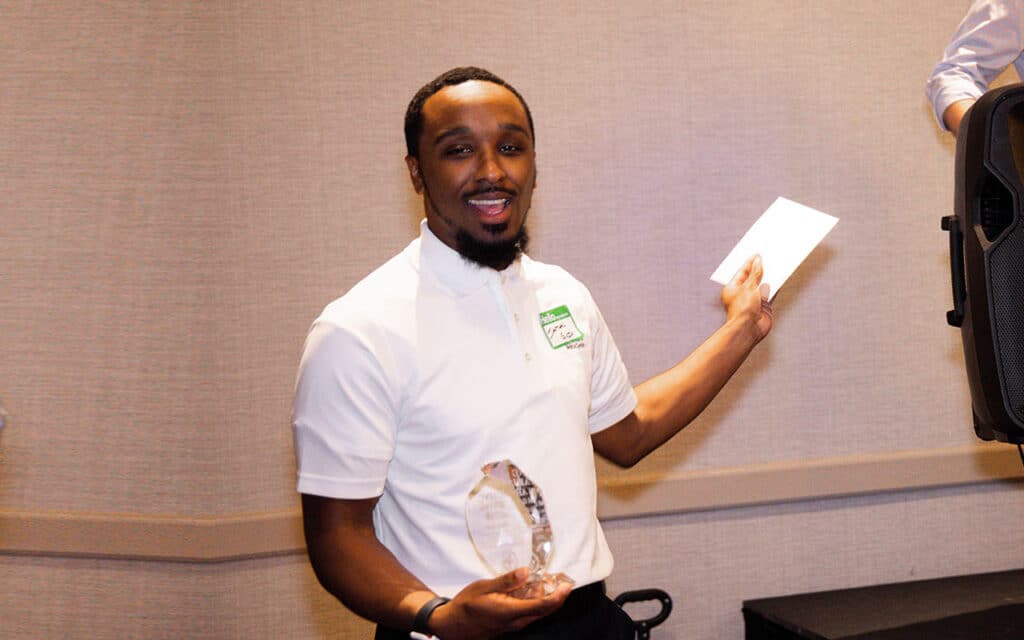
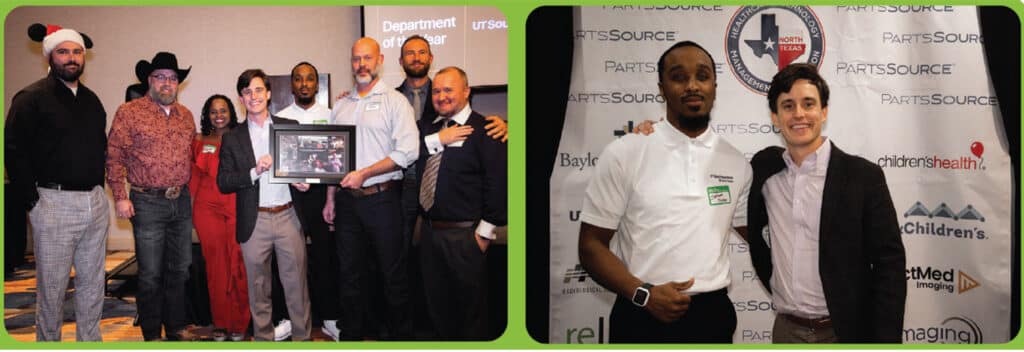
The attention to details with work and projects have produced some recognition, including the UT Southwestern Support Services Award, the Healthcare Technology Management Association-North Texas (HTMA-NTX) Rising Star Award and the Military Outstanding Voluntary Service Medal.
The accomplishments just go to show the many benefits of getting experience as an HTM professional in military and civilian environments.
BIOMETRICS
Favorite MOVIE:
The Matrix movies have been my favorite. Science fiction and fantasy movies are my favorite genre for the creativity it takes to make them.
Favorite FOOD:
Korean BBQ is my absolute favorite food and Waffle House is probably my go to for a quick meal of breakfast that I can enjoy without a worry of a long wait time.
Favorite part of being a biomed?
Being able to make a difference in people’s care by maintaining equipment. I would say getting appreciated by the patients for the work we do helps keep me focused on the importance of my job.
