



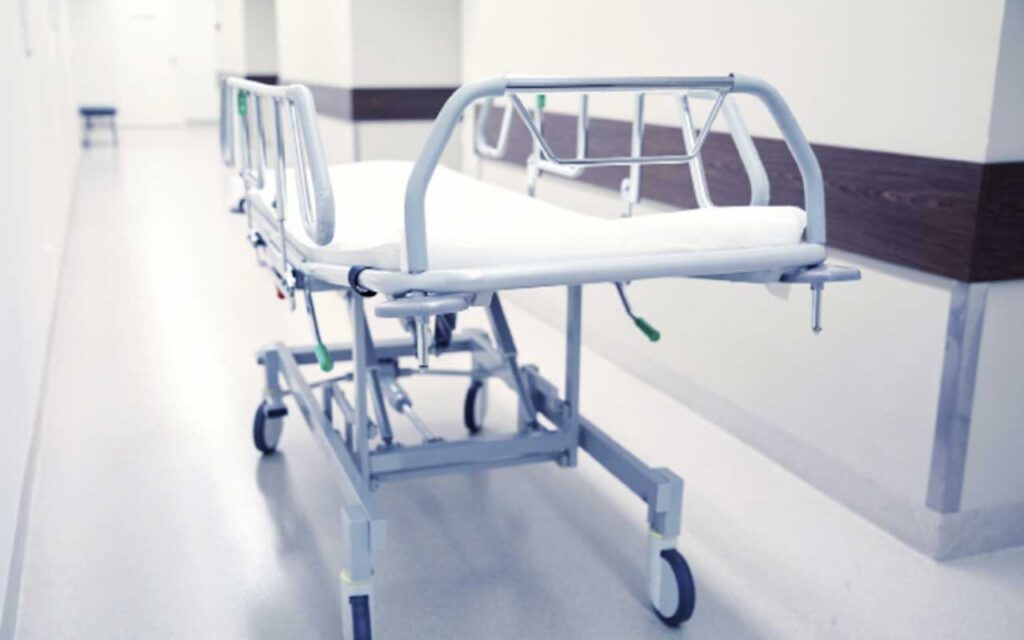
 TechNation invited HTM professionals to share tips, advice and insights regarding the maintenance and repair of beds and stretchers for this installment of the popular Roundtable feature article.
Participants in this month’s Roundtable article are:
• Chris Braaten, Regional Director of Operations, Gulf Coast Region, Intelas;
• Chad Dyches, Resident Regional Manager, Intelas;
• Israel Garcia, Senior Director of Field Operations, MultiMedical Systems; and
• Brian Herty, Senior Director of Solution Management, Clinical Engineering, Agiliti
Q: What are the most common issues you encounter with hospital beds and stretchers?
Braaten: One of the most common challenges that operations teams face around the management of beds and stretchers is the lack of designated storage space. When storage space is limited, beds and stretchers may be left in hallways or tucked into corners, which not only creates clutter and potential safety hazards but also makes it difficult to track their status. The need for consistent processes and implementing a standardized workflow for equipment triage will flag problems and notify the appropriate teams, like clinical engineering, with support in escalating repairs when needed, and making more beds available quicker.
Dyches: Biomedical equipment technicians (BMETs) frequently encounter recurring issues with hospital beds and stretchers, both of which endure constant use in clinical environments. Common problems with hospital beds include electrical failures such as broken controls, faulty motors, and damaged wiring, as well as actuator wear, brake system malfunctions, mechanical damage to components like side rails, battery issues, and faulty sensors or limit switches. Infection control is also a concern when surfaces are cracked or damaged. Stretchers often present hydraulic system leaks, brake and steering issues, structural damage from impacts, worn mechanical linkages, degraded mattresses, and malfunctioning control handles. Across both device types, BMETs contend with broader challenges, including a lack of manufacturer support for older models, difficulties in sourcing parts, incomplete or outdated documentation, and frequent damage because of staff misuse or rough handling.
Garcia: Bed adjustment failures (head, foot, height): Often due to motor failure or broken actuators. Stretcher height mechanism failure: Manual or hydraulic lifts can become stuck or inoperable. Brake failures: Worn-out or misaligned brake components are a safety hazard. Wheel/caster damage: Makes beds and stretchers hard to maneuver, especially over uneven surfaces. Side rail damage: Bent or broken rails may not lock properly, creating fall risks.
Herty: Bed maintenance is one of the most underappreciated responsibilities of a clinical engineering team. Hospitals own a lot of beds, and they are high-use devices that are constantly moved and exposed to fluids and cleaners. Without proper upkeep, failure is inevitable. The most common issues we see are side rails that won’t lock or release, broken brakes or casters, failed controls and mattress/surface damage. These types of repairs directly impact safety, staff efficiency and patient flow. Staying ahead of these issues is a great way for CE to build credibility with nursing and operations.
 Q: What are the biggest safety concerns during repair or malfunction of beds/stretchers?
Braaten: The most significant safety concerns a team can encounter is related to infection control. Teams need clearly defined and consistently followed processes, to ensure patient safety. Closely following that is the concern around patient falls, such as instances with faulty pillow speakers or bed alarms. Addressing these concerns requires a dual focus: reinforcing infection control protocols with clear workflows and ensuring that all communication tools and safety mechanisms are regularly tested and promptly repaired.
Dyches: During the repair or malfunction of hospital beds and stretchers, significant safety concerns arise because if the complex electromechanical systems involved, posing risks to both technicians and patients. Key hazards include uncontrolled movement, which can cause crush injuries, electrical shocks from exposed wiring, and high-pressure fluid releases resulting from hydraulic or pneumatic failures. There’s also a danger of equipment tip-over, battery-related fires, or chemical hazards, as well as patient harm from malfunction during use, such as falls or pressure injuries. Additionally, infection control becomes a concern if damaged surfaces harbor pathogens, and unsafe work practices or lack of personal protective equipment (PPE) can lead to physical injuries or contamination. Preventive measures include using lockout/tagout procedures, ensuring stability, wearing appropriate PPE, tagging out malfunctioning equipment, and adhering strictly to hospital safety and disinfection protocols.
Garcia: Failure of side rails: Malfunctioning or improperly secured side rails can lead to patient falls. Bed height or tilt issues: Inability to properly adjust the bed may increase fall risk or impair patient care (e.g., during CPR or transfers). Inadequate braking: If bed brakes fail or are not engaged, the bed may roll unexpectedly. Heavy components: Removing or replacing motors or bed frames can lead to musculoskeletal injuries without proper equipment. Improper positioning: Attempting to repair without stabilizing the bed/stretcher can lead to it tipping or shifting.
Herty: For our technicians, the biggest safety risk during repairs are crush injuries, electrical shock and strain from awkward lifting. Beds can drop unexpectedly if actuators fail or aren’t properly supported during repair. Electrical components also pose a hazard if power isn’t fully disconnected or if wires are exposed. And, because beds are heavy and bulky, there is a risk of strain when repositioning or removing large parts without a lift or additional help.
Q: What is your standard PM (preventive maintenance) schedule for beds and stretchers?
Braaten: Our preventative maintenance schedule is annually for those that we cover.
Dyches: Under CMS and Joint Commission guidelines, healthcare facilities using an alternate equipment maintenance (AEM) program can tailor preventive maintenance (PM) schedules for hospital beds and stretchers based on risk assessments and manufacturer guidance, provided they ensure safety, reliability, and compliance. Typically, hospital beds undergo annual PM, semi-annual for high-use or ICU units, focusing on visual inspections, functional tests, electrical safety, mechanical systems, and labeling. Stretchers are similarly inspected annually, with checks on structural integrity, built-in weighing scales, mobility systems, infection control, and safety labeling. To remain compliant, facilities must document their rationale for schedule adjustments, track failure trends, maintain safety testing, and update procedures in response to manufacturer alerts or safety notices.
Garcia: Standard preventive maintenance (PM) schedule for hospital beds and stretchers is typically designed to ensure safety, functionality, and compliance with healthcare regulations. Specific schedules can vary depending on manufacturer recommendations, hospital policies, and bed/stretcher types (manual, electric, bariatric, ICU, etc.).
Herty: At Agiliti, we adhere to PM intervals based on the guidelines provided by the OEM. This approach ensures both regulatory compliance and patient safety. The most common PM interval is annual, with some increased PM intervals for high-use areas where equipment is more prone to wear and failure.
Q: How does added technology (e.g., bed-exit alarms, nurse call integration) affect maintenance workload?
Braaten: The introduction of new technology can certainly increase the maintenance workload, however, the benefits to patients far outweigh any added tasks or complexity. Enhanced technology often brings increased comfort, improved communication with clinical care teams, and more personalized safety features. These advancements directly contribute to better patient outcomes and satisfaction. Additionally, success of any new technology hinges on its usability. It’s important to have systems that are designed with an intuitive, user-friendly interface, to support the clinical caregiver’s use and experience.
Dyches: The integration of advanced technology features into hospital beds, such as bed-exit alarms, nurse call system interfaces, built-in weighing scales, and network connectivity, has significantly increased the maintenance demands on BMETs. These features introduce greater system complexity, requiring more in-depth troubleshooting for issues like false alarms, sensor faults, or communication failures. Preventive maintenance (PM) routines are now longer and more detailed, often involving software checks, calibration, and battery testing. Additionally, BMETs need specialized tools and ongoing training to handle manufacturer-specific technologies and diagnostic procedures. The rise in user-reported issues, often because of misconfiguration rather than true malfunctions, adds to the service burden. Moreover, interdependence with IT systems and network infrastructure means BMETs must frequently collaborate across departments, further stretching their time and resources. Overall, these enhancements, although beneficial to patient care, result in a significantly heavier and more complex maintenance workload.
Garcia: More equipment equals more assets to maintain. Each bed-exit sensor, call button, integration module, etc., needs regular checks, calibration, and sometimes software updates. Devices with moving parts or sensors (e.g., pressure sensors in bed-exit alarms) require more frequent inspection or recalibration. Batteries or wireless components may need routine replacements or charging. Systems like bed-exit alarms often connect to centralized nurse call platforms or EMRs. When something fails, maintenance teams must: Determine if the fault is in the sensor, network, server, or integration software; and collaborate with IT, clinical engineering, or third-party vendors.
Herty: Added technology has increased the maintenance workload, mainly through more points of failure. This leads to a higher volume of service calls and longer troubleshooting times. It’s no longer just about fixing what’s broken – technicians now need to understand how the bed interacts with these integrated systems. This, in turn, also shifts the required skill set, making more advanced training necessary to keep pace with bed innovation.
Q: What are the top considerations when evaluating new bed or stretcher purchases?
Braaten: When evaluating new beds or stretchers, it’s important to focus on several key requirements: First are the clinical requirements: The equipment must support safe patient handling, be compatible with existing workflows, and offer features that enhance patient care and comfort. Next, we consider the facility requirements. This includes dimensions for proper fit within rooms and storage areas, durability for high-use environments, and compatibility with current infrastructure, such as doorways, elevators, and storage solutions. An increasingly important factor is how intuitive the user interface is: Beds and stretchers should be easy for both clinical and support staff to operate. Lastly, keep in mind how many physical connections to the wall there are – reducing potential tripping hazards and maintenance issues.
Dyches: When evaluating new hospital beds or stretchers, it is essential to consider a comprehensive mix of clinical, technical, and financial factors to ensure long-term value and patient safety. Biomedical teams should focus on serviceability, including ease of maintenance, availability of parts, training, and the complexity of integrated technologies. Clinical staff require ergonomic, easy-to-clean equipment that prioritizes patient safety through features such as bed-exit alarms and adequate size and weight capacity. Administrators should assess the total cost of ownership, warranty terms, standardization opportunities, and vendor reputation. Additionally, all stakeholders must consider logistical compatibility with existing systems, ease of transport, and reliable power backup. A structured evaluation framework ensures that the beds or stretchers chosen are safe, maintainable, cost-effective, and suitable for clinical needs.
Garcia: Build quality: Resistance to wear and tear in high-traffic environments. Serviceability: Easy access to components for repairs. Parts availability: Long-term access to replacements. Vendor support: Local service, training, and warranty coverage.
Herty: When evaluating new beds or stretchers, it’s important to balance clinical needs with operational efficiency. Clinical teams are very focused on patient safety, comfort and ease of use, as these factors directly impact their patients, their daily work and their safety. For clinical engineering, the focus shifts to durability, serviceability and life cycle cost. When making this decision, be sure to engage the full stakeholder team to align your organization around frontline care and long-term sustainability. And, I would be remiss if I didn’t mention that purchasing a new bed or stretcher should factor in the type of support surfaces that will be used on the frame. Compatibility is important. Finding a bed that can accommodate a broad range of support surfaces – from standard foam to air – will offer greater flexibility and standardization, while better supporting clinicians in treating all patient types.
Q: Is there anything else you want to share with the TechNation community?
Dyches: Standardizing preventive maintenance (PM), especially for tech-heavy beds, and developing custom AEM protocols can reduce workload while maintaining safety. Cross-team communication, particularly with nursing and facilities, is crucial, as many bed issues stem from use and handling rather than mechanical failure. With beds increasingly networked, integration challenges with nurse call systems and EMRs require post-installation verification. Tracking data, such as failure rates and life cycle costs, can drive smarter PM planning and justify replacements. Lastly, HTM professionals should advocate for early involvement in purchasing decisions to ensure technical needs are considered. Tools like PM templates and evaluation matrices can further support the community. Ultimately, better-managed beds enhance patient care and reflect positively on the HTM department’s impact.
Garcia: As healthcare technology professionals, we’re not just maintaining equipment, we’re maintaining care continuity, patient safety, and staff efficiency.
Herty: Hospital beds and stretchers continue to be more technology driven. With increased functionality, connectivity and smart features, they are no longer simple pieces of equipment. Make sure your teams are ready for advanced technology – invest in training or find a partner that specializes in this space. These devices play a critical role in patient care and staff safety. They may not always get attention, but they’re a foundational component of safe and efficient care.
