



By K. Richard Douglas
America has a crisis that is not often spoken of. Mental health conditions, among adolescents, are on the rise; both in the U.S. and in other countries. Anxiety, depression, suicidality, feeling insufficient and loneliness are all offshoots of a culture that has isolated and addicted many to their ever-present smartphones.
These mental health issues aren’t just increasing; they are skyrocketing. In 2021, 42 percent of adolescents reported feelings of sadness and hopelessness – which can be indicative of depressive disorder – up from 28 percent in 2011, according to a CDC report.
Today, kids and teens are fixated on likes, shares, bullying and disparagement, social media popularity; life that is defined through a screen, and more social isolation compared to previous generations.
In an interview, the popular TV personality Dr. Phil said that when smartphones came on the scene in 2008, “kids stopped living their lives and started watching people live their lives.”
Parents protect their kids, from infants on to adulthood. They give them advice, take them to the doctor for wellness check-ups and to address acute illnesses. Parents try their best to keep their children out of harm’s way. With mental illness, the best intentions of parents are often hindered. There can be hidden wounds, hidden feelings; hidden pain.
A biomed senior manager and his family, in Western Michigan, experienced the profound sadness in 2021 that is caused by this unseen turmoil, when his 18-year-old son lost his battle with mental illness. It is an experience that no parent should have to endure.
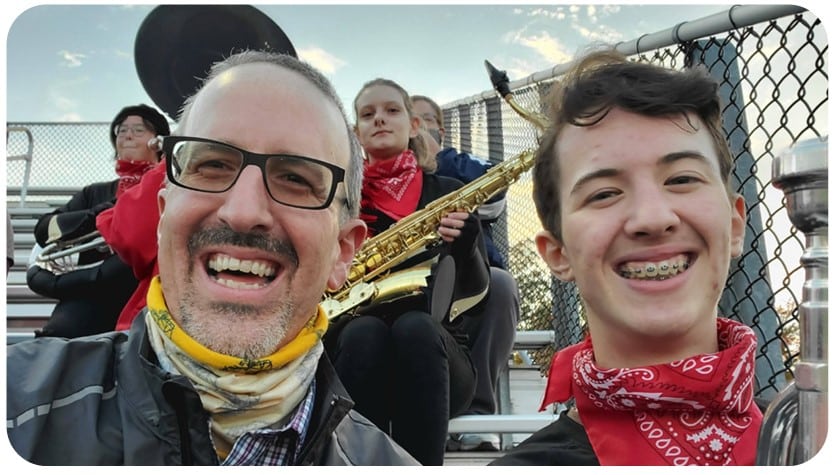
In response, Jeffrey Ruiz, CHTM, has taken steps to convey a clarion call for awareness. He describes his son Myles as “the best son any father could ever have hoped for.”
“Myles passed on right in the middle of the pandemic. He loved his classmates; he loved marching band and orchestra; he thrived on social interactions. With so many restrictions stemming from the pandemic, it crushed him. With his history of depression, we thought with the current treatment plan we could make it through this challenge. The pandemic and the social isolation didn’t help his cause,” Ruiz says.
He says that you can’t tell if someone is struggling with mental health. It’s not an obvious medical condition that can be seen by the naked eye. Mental health is extremely challenging.
“Nothing challenges you more as a parent, or as a leader, when a loved one, or friend or colleague is facing a mental health crisis. We thought we did everything right for Myles, but it still wasn’t enough. And maybe in hindsight, some of the things we did for him did allow him to keep on pushing forward a little bit longer. No one will really know,” Ruiz says.
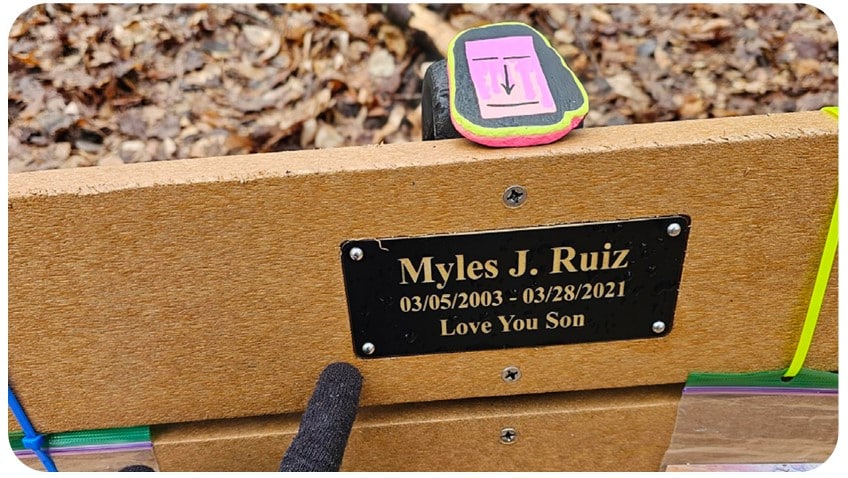
A Gathering of Runners in Memory
At his son’s funeral, Ruiz could not allow the tragic loss of Myles to be in vain. He had the attention of other teens who might be experiencing their own mental health challenges, or who have friends who are going through this struggle.
“In preparing for Myles’ eulogy, I knew I would be talking to many of his classmates. I had no Idea what I was going to say, and I needed to say something that would give the students hope. I prayed days before the funeral for the words to share. These are the words that came to me with the grace of God, that I shared with them that night,” he says.
He told the teens; “You matter, you will impact more people than you will ever know. If you are struggling, reach out for help. There are many resources, friends, family that can provide help. If you see someone struggling; offer support. Just offering an ear to listen to can make all the difference in someone’s life.”
“Check on your strong friends. Myles was such a comforting soul for so many of his friends, yet we all never knew the deep struggles he was battling. Be kind to others. You really don’t know the struggles others are facing today, tomorrow. Your kindness can be the one act that can give someone hope,” Ruiz suggested.
In describing Myles, Ruiz says that he was kind, caring, and would provide a shoulder to lean on. He always did the right thing. He was brilliantly smart. Things came so easily to him. He was an excellent trumpet player and loved marching band.
“He also was a teaser and loved having fun, especially with his sisters, and his nieces and nephews. He was the glue to our family. Always having a caring and giving heart, making sure the family was happy,” Ruiz says.
He says that Myles also enjoyed biking.
“Every summer, we would go away for monster biking trips along the White Pine and Pere Marquette trails in Michigan’s northwestern lower peninsula. We would cover over 200 miles on these trips. He loved all the breakfast, lunch and dinner spots we would stop along the way. During the trip we would talk for hours, and other times we would be biking in unison enjoying the moment. These trips were more than spending time together, it allowed lessons to be shared from a father to son. And to show a son that anything is possible if you believe and work hard for it. And being thankful for the blessing of spending time together and living life to the fullest,” Ruiz remembers.
Ruiz says that his son loved these trips, and when was given Myles ashes, he knew where he would be placing them.
“I took them with me and spent four days biking on the trails. I made essentially a 300-mile sign of the cross and placed his ashes on each side. This bike trip really helped me face grief head-on and helped give me peace. I had taken a GoPro camera and filmed the trip and spots we biked together. In one particular place, I left the camera on as I left his ashes. As I watched the video later, you could see the ashes leaving and following me back to the bike. It’s these experiences that, if you keep your eyes open, you can experience some miracles from above,” Ruiz says.
He says that a year later, he ran the Veteran’s Memorial 150-mile race.
“The race ran a good portion of where I biked before and allowed me to lay memory stones at the place I had left his ashes previously,” Ruiz adds.
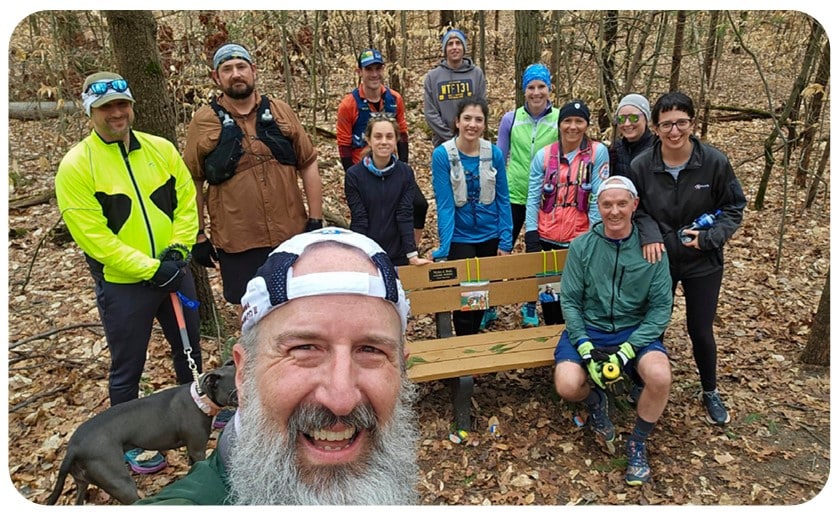
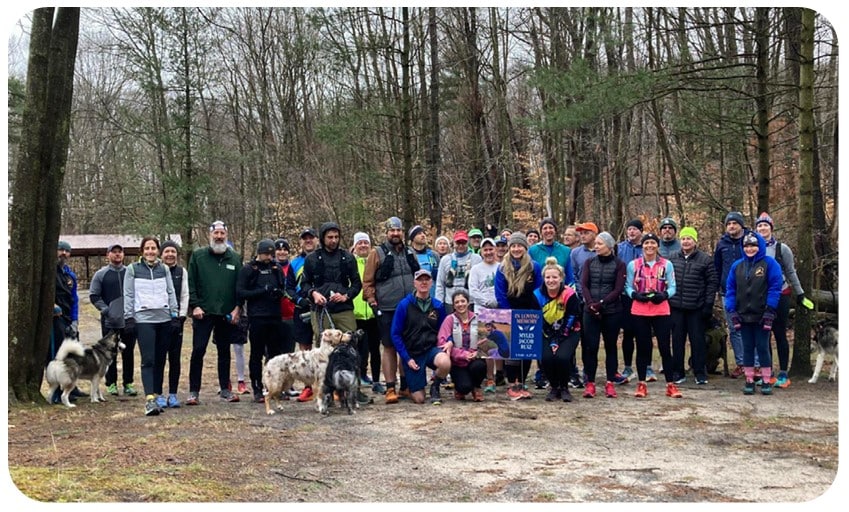
In the meantime, Ruiz has raised awareness of this national crisis endemic in culture today. The run was just one way to honor Myles’ memory and to focus attention on an epidemic that may go unseen.
To remember Myles’ life and bring attention to the important issue of mental health in young people, Ruiz hosted a group run on March 9. It was just four days past what would have been his son’s 21st birthday.
He named the run “Miles for Myles” and planned to run 21 miles. Ruiz is a veteran runner and has been running since his twenties. He invited others to join him either in person or virtually. The run went between parks along the coastline of Lake Michigan.
Ruiz got the word out about the run on social media and many have shared it. He says that, “if they impact just one life, giving hope, to keep moving forward, to give tomorrow a chance, then Myles’ memory will live on.”
