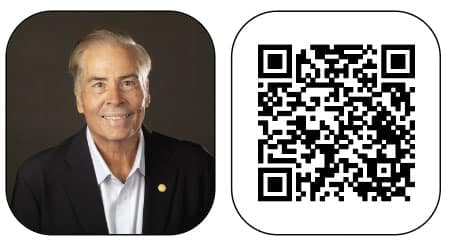
By Steven J. Yelton, P.E., AAMIF
I attribute much of the success of the HTM program at Cincinnati State Technical and Community College to the educational partnerships that have been developed over many years. These partnerships include employers, advisors, graduates and faculty from other educational institutions. In this installment of The Future, I want to share a somewhat different partnership that we have not traditionally had at the college. I hope that this provides you with some ideas for your institution whether you are at a hospital, company or college. We have found this to be quite valuable to our students and the college.
Over the years, our main employers in the cooperative education and internship area – as well as full time employment – have been hospitals. This could be working directly with the hospital or through a third-party partnership. Most of our students enter the program at Cincinnati State with the expectation of working for a hospital group. However, there are consistently more students who are looking for employment in other areas for various reasons. Students may now be looking for employment that would enable them to relocate easily and, more recently, have been looking at other opportunities in the HTM area.
We have had a partnership with Elite Biomedical Solutions in Cincinnati, Ohio for several years now. This relationship offers our students opportunities that traditionally haven’t existed in the past.
Glenn Schneider of Elite Biomedical Solutions and I have worked together for many years in many different roles and most recently when he joined Elite. Glenn was a student of mine after he left the military. He went to work in the hospital world and quickly became a great resource for me at Cincinnati State. Glenn became an advisor, employer and eventually an adjunct professor.
Glenn and I have been team teaching the HTM courses at Cincinnati State for many years. We have a collaboration with area hospitals as well as Elite to provide training for our students on site. We offer classes within hospitals that provide access to equipment and medical systems that we do not have on campus. The hospitals where we meet include Cincinnati Children’s Hospital and The Christ Hospital Health Network. This has been an extremely valuable resource to the college. This started many years ago when Glenn was a director at Cincinnati Children’s and Greg Herr was an advisor and adjunct professor at Cincinnati State and a director at The Christ Hospital. In addition to other individuals, hospitals and employers, Glenn and Greg have been valuable resources for the HTM program at Cincinnati State and its students.
Most recently, Elite has offered their resources to provide our students with exposure to an area of HTM that many of them had never thought about. Elite Biomedical Solutions not only is a manufacturing facility but also provides on-site service and repairs. They offer customers HTM services such as cleaning, adjustments, calibration, device service and repair, preventative maintenance and documentation of service. We feel that this provides our students with an opportunity to see the HTM field from another view as well as additional employment opportunities. Another offering Elite provides that would be worth mentioning is their educational training called “The Elite Edge.” It currently consists of three hands-on training sessions, Basics (four days), Philips Patient Monitoring (two days), and GE Patient Monitoring (two days). They are looking to expand into other manufacturer models. Each session consists of a classroom overview and hands-on disassembly, reassembly and testing on at least four devices. The basics include IV pumps and an introduction into telemetry. We have found this to be a great option for our students as well as graduates because we are not able to offer it at the college.
We have strived to provide a diverse educational experience, and our partnerships with a children’s hospital, adult hospitals, independent service organizations and biomedical companies is a huge benefit to our students. As part of our accreditation requirements, as well as a way of improving our program, we rely heavily on these relationships.
Cincinnati State’s HTM program requires students to complete two semesters of paid cooperative education assignments. As you can see, the partnerships that we have developed help everyone involved. The hospitals and companies that employ our cooperative education students are provided with productive employees and have access to available, carefully vetted full-time employees if needed. We could not have an HTM program of the current quality without the advisors and employers as well as the donations that our partners provide.