



By K. Richard Douglas
Camp Pendleton, in Southern California, may be one of the most famous military bases in the country. Established just after World War I, it trained Marines for the Korean and Viet Nam wars. It is one of the Department of Defense’s busiest bases and offers training to Army and Navy units.
While the Navy has had the distinction of transporting Marines around the world, it is also the Navy that contains hospital Corpsmen, who provide medical treatment to Marines and others. The Corpsman’s duties can include aiding in emergency surgery, dental operations, analyzing lab samples or dispensing vaccines or prescribe medications. Their work is important to the military because it can free up physicians to work with sicker patients.
Working as a Corpsman can provide a good understanding of physiology and anatomy and introduce those in this occupation to medical instruments.
It would stand to reason that a Corpsman would be exposed to the biomed field with some useful insights.
“Honestly, I was going to get out of my military rate, when my fellow sailor told me to stay and that my rate (Hospital Corpsman) in the Navy had the specialty Biomed. Everything about the job description seemed perfect. Then I found out my uncle, Alfred McKenzie, had been in the HTM field since 1982 and he was so excited to hear of my interest in the community. Since 2014, I worked endlessly to get to this point,” says HM2 Phillip Villegas, CBET, biomed equipment technician at the Navy Medicine Readiness and Training Command (NMRTC) at Camp Pendleton Hospital in Oceanside, California.
Villegas completed the necessary training to pursue a biomed career.
“In 2018, I started the Department of Defense Biomedical Equipment Technician program at Fort Sam Houston in San Antonio, Texas, after finishing my second duty station. It was a two-year degree wrapped in 14 months covering different areas of engineering, anatomy and physiology, etcetera,” he says.
Villegas said that his class did 17 courses with each course being five days of classroom training and 10 days of hands-on troubleshooting with every type of equipment medicine has to offer.
“We also learned to do this in simulated places like what we would see in Iraq and Afghanistan due to what was going on in the world at that time. This helped us not only become accustomed to working on medical device in the hospital but in war fronts and in the oceans anywhere in the world 24/7. That’s why DoD produces some of the best technicians,” Villegas says.
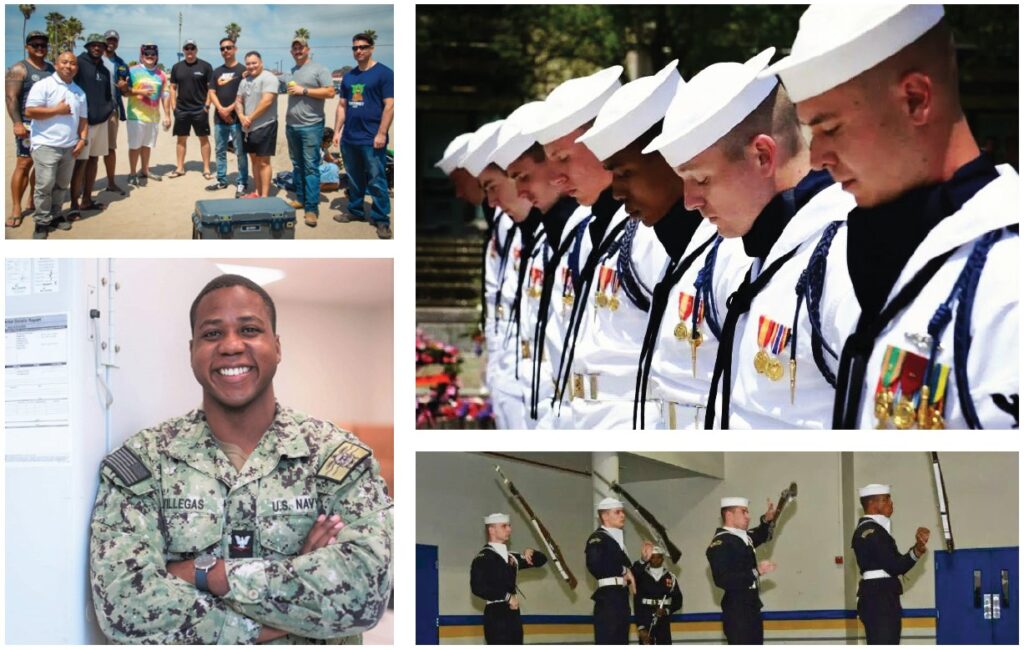
Biomed and Honor Guard
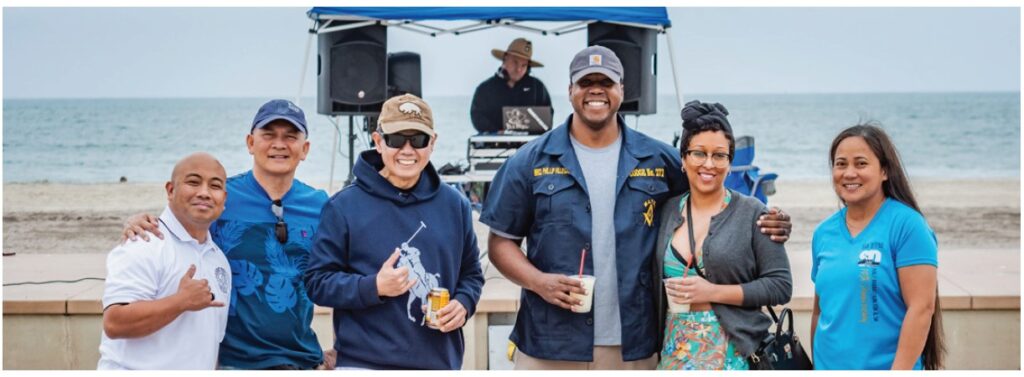
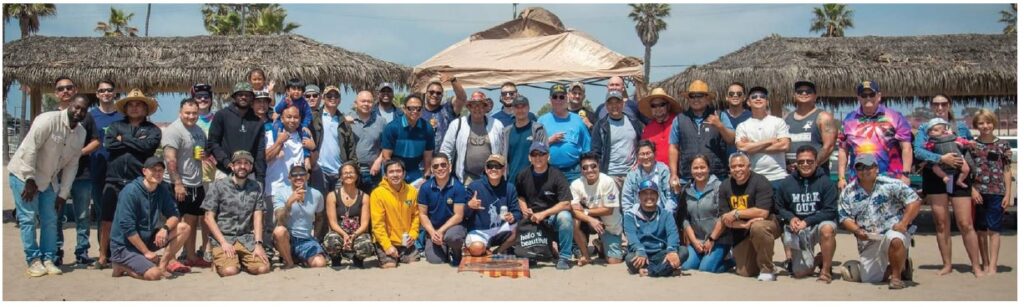
Villegas has been active in helping out his fellow military biomeds connect with civilian hiring managers and others in the civilian HTM community. He has done this in past years, as well as this year. He has HTM events for veteran and active-duty service members to meet with different companies in healthcare technology.
“Our challenge is that we are so mission-oriented, whether it is servicing all the medical equipment on ships in the middle of the ocean or in medical treatment facilities around the world, that we fail to market ourselves to the civilian world when we close that chapter,” Villegas says.
He says that his events help close that gap and give active-duty service members face-to-face time with a manager, director or CEO to show them those skills they do down range in harm’s way, with limited materials.
“This year’s event is backed by CMIA San Diego chapter and will have service members from around the area and few from other states, from all three medical service branches,” Villegas says.
During his first four out of five years in the Navy, he was on Presidential/White House duty.
“I served in the ‘United States Navy Ceremonial Guard Presidential Honor Guard,’ which was cool. I did ceremonies across Washington, D.C. and flew to different parts of the country performing in arenas, concert halls and stadiums. My second time, I was selected to be on the ‘Presidential Dental Team’ as a dental assistant. [It] was a huge honor to be selected for both out of many others in the Navy,” Villegas says.
When not on the job, Villegas enjoys video games and mastering the art of the chef.
“I love playing Madden especially with my little brother who plays college football. Cooking; I study a lot of cooking techniques of different chefs. Date night with the wife; it can be visiting our winery we have a membership at, or literally playing video games together; it all varies. Been trying to find a volleyball league to play in, but no luck, or it’s too far,” he says.
With both HTM and clinical knowledge, this military biomed has kept a family profession going into a new generation and is also helping other biomeds with their post-military careers. He is an asset to the Navy and to the HTM community.
BIOMETRICS
Favorite book:
Percy Jackson series hands down. Couldn’t put those books down growing up.
Favorite movie:
“Anchorman” Anything with Will Ferrell in it, I am watching.
Hidden talent:
I used to do tricks with rifles with bayonets on them at my first duty station performing and traveling across the country. Even did some at celebrity events. I could still do it but not as good as I used to.
Favorite food:
Any island food in the Caribbean! My stepdad and his family are from Jamaica and growing up with it at home or in the stores because of growing up in Florida really it has a soft spot in my heart. Literally can go for a beef patty or oxtail right now. For dessert; flan or arroz con leche. Breakfast is easy, Cuban sandwich, guava pastry and a Cuban coffee.
Favorite part of being a biomed?
The people; hands down. Very few professions where you find a lot of people who love what they do as much as you do. Also, the community is small and tightly knit. Each shop has its characters and there is no random group of people you’d want to work with more. Special shout out to my first Biomed Shop in Guam who really helped me and guide me to become a great BMET, husband and man. Philip Laroya, Kirk Young, Paul Nelson, Rhyan Capili, Rainwyn Molleno, Robert Dumpit, Troy Ty and Travis Smith. Love you all man! You all deserve your roses.
What’s on my bench?
My planner, my water bottle, scheduled work orders list, gum, Starbucks coffee and flashcards because I am studying for another certification.
