Sponsored by Innovatus Imaging

By Matt Tomory
Significant advancements have occurred in ultrasound transducer technology in the past few years. Despite these high-tech enhancements, the manners in which probes fail, pretty much, have remained the same. Acoustic lenses still wear, and strain reliefs still fail due to repeated flexing. Both still degrade from continued exposure to harsh cleaning agents. Like the strain relief, system cables still fail from repeated flexing. They also become pinched in mechanical assemblies and experience accidental pulls and roll-overs. System connectors, as well as entire probes are still accidentally dropped. The acoustic array, one of a probe’s most fragile components, can still fail from just a single accidental impact. In fact, the arrays in today’s probes are much more fragile than those from prior generations.
Even though the ways that probes fail have remained fairly consistent, the components within, and the materials used to fabricate these newer high-tech devices have become increasingly more complex.
New Technology
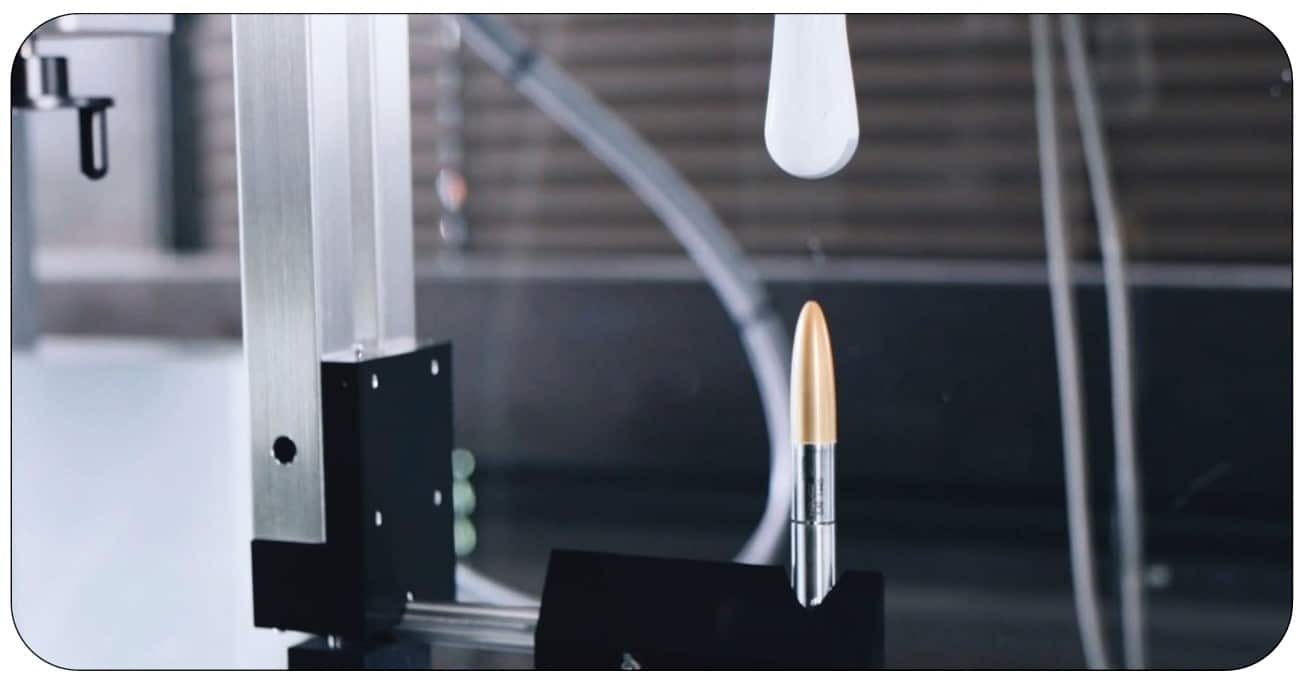
The arrays used within traditional 2D probes typically contains anywhere from 64 – 256 individual acoustic elements or “crystals”. Solid state live 3D volumetric probes, such as the Philips X5-1c, XL14-3, and X8-2t, and the GE 4Vc-D and 6VT-D utilize an array with 2500 – 14,000 elements. The array is now bonded to an ASIC (Application Specific Integrated Circuit), which performs much of the beamforming. Traditionally, beamforming is a function of the scanner console, not the probe itself. Wiring harnesses, which once contained less than 100 micro-coaxial wires, the thickness of a hair, now range to 256, and the wires are a much finer gauge – up to 52 if you can imagine the scale. Healthcare organizations have been struggling to find true repair solutions for these newer, high-tech, highly expensive probes. Unfortunately, many companies promoting probe repair share the same challenge. The solution being replacement versus repair.
Repair Solutions
As with any newer technology, there can be challenges developing robust repair solutions in a timely manner. What many may not know is that OEM’s do not openly share their design specifications, bills of materials or provide access to replacement parts to 3rd-party repair providers. Providers, typically, have 3 paths with which to approach your probe failure.
- Sell you a replacement.
- Harvest parts from numerous failed probes to repair a single customer’s probe. Although sometimes a valid solution, there are a few pitfalls with solely relying upon this method. The first is that a huge junkpile is created from all of the unused parts since failures are, typically, consistent across the same probe model. For instance, almost every cardiac probe will experience cable intermittencies. Another important factor is that the replacement cable, installed on your probe, may actually be used. Finally, a repair performed today may not be available next week due to a lack of replacement parts.
- Engineer their own solutions to the failures presented.
Our Commitment To You
For Innovatus, repair capabilities are model-specific. There is no “general” repair process, and we don’t attempt repairs. If asked if we can repair a specific problem on a specific probe model, the answer is always a firm yes or no. We either have a verified & validated repair solution within our ISO 13485:2016 Certified Quality Management System, or we don’t. This includes all of the parts, materials, supplies, fixtures, design history files and testing devices required to restore your probe’s performance and safety.
How Is That possible?
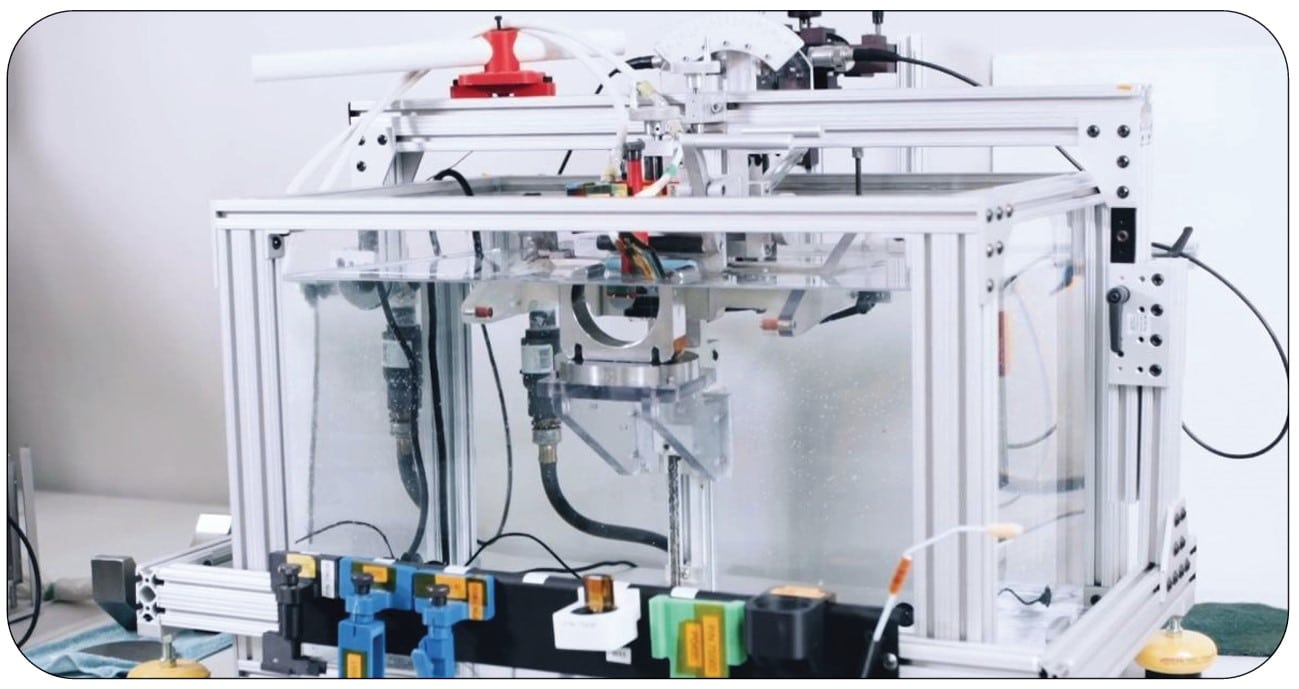
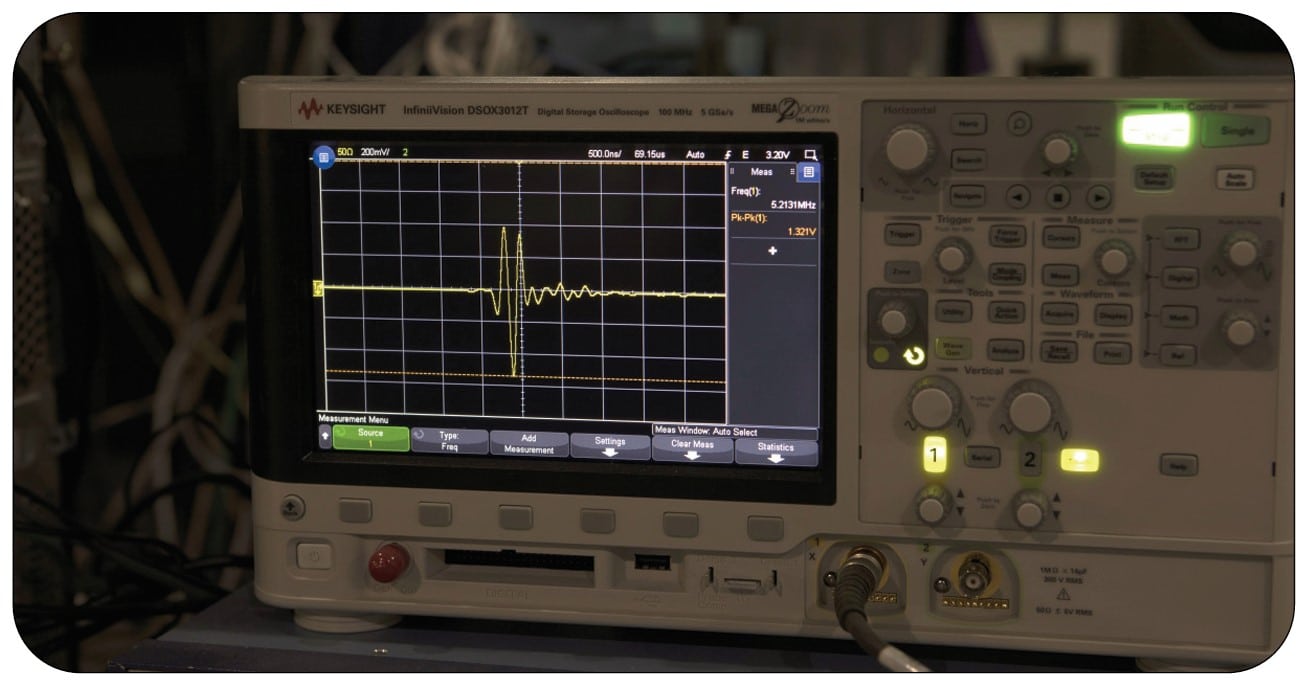
Innovatus Imaging is an FDA registered manufacturer for ultrasound probes supplied to several prominent OEMs. The company has an acoustic laboratory in Denver, CO and has engineers with a very specialized knowledgebase, instrumentation, and focused skillsets. When we develop new repair capabilities, much of the engineering process is handled by the Design & Manufacturing division. Since OEM’s don’t share design specifications, our specialists in Denver characterize a specific probe model based on acoustics and electrical properties, to materials and physical properties. All of the data is captured in a Design History File within our ISO 13485 certified QMS.
Innovatus employs quite a large team of engineers, for both design as well as repair. Teams engineer proven, sustainable repair solutions by careful technical analysis of each probe model on which repair is offered. This includes developing electronic schematics, wiring diagrams, material specifications, acoustic profiles, and more. Having this level of data allows the development of repair procedures and visual work instructions based on the design of a particular model versus a general, all-encompassing approach to repair. The process mimics new product development for our OEM partners. Very few, if any other, repair providers have access to such expertise. This level of detail also offers and ensures quality, consistency, and sustainability, which powers the industry’s longest warranty period.
What Does It Mean For You And Your Patients
Whether probes or widgets, as consumers, we all want something upon which we can depend. Based upon Innovatus’ unique approach to repair, customers can feel confident that a repair performed on a specific probe model last week can be consistently performed on others tomorrow, next week, and six-months from now. Currently, Innovatus is the only repair provider that publishes a list of over 100 fully repairable transducer models. From cables, strain reliefs, housings, etc., there’s a solid, virtually completely internalized, supply chain that allows us to say, “Yes! Your probe can be repaired”. And repair is always more budget-friendly than replacement.
Due to the technical challenges with newer model probes and the investment needed in R&D, true repair solutions can be hard to find in the 3rd-party industry. When failures arise in today’s newer-technology transducer models, many are exchanged, at costs over $20,000, versus repairs costing a fraction of that. Innovatus Imaging has developed significant, proven, sustainable repair solutions on these complex, cutting-edge devices. On all these models, quality repair solutions are available by addressing failures across ALL repairable components. And, we’re working on expanding capabilities on newer models every day. As technology advances and demand increases for budget-friendly solutions, Innovatus Imaging will remain focused upon developing capabilities consistent with customer needs.
Ultrasound probe technology has significantly advanced over the last few years. Be sure to partner with a service provider who has advanced along with the technology you support.
For more information on how Innovatus Imaging can help to reduce your service budget with quality, sustainable repairs for MRI coils and US probes, please contact Matt Tomory, VP of Sales and Marketing at MattT@innovatusimaging.com.